CLEAN WATER WELL DRILLING IN AFRICA
Every MINUTE a child under age 5 dies from water-related disease in Africa
1.8 Billion people live without access to clean water
3.4 Million people die each year due to water related illness
115 people die each HOUR in the Africa region alone.
Drilling Clean Water Wells In Africa
Reduce Water-Realted Disease, Reduce Child Deaths, and much more!
Drilling clean water wells is the flagship program of Hearts and Hands for Humanity (H3) to fulfill the mission, and it even supplements many of H3’s other causes. A custom-designed human-powered drill can provide clean water wells at 1/4 the cost of wells provided by other charities. Each well can provide clean, drinkable water for about 2,500+ people for about 10+ years.
Providing clean water to communities has a life-changing impact. It reduces deaths caused by water-related disease, especially in children under age 5. When a clean water well is installed at a school, it enables youth to go to school, especially girls; and it can even reduce violent crimes like rape. When a clean water well is installed at a farm it contributes towards supplying the community with sustainable crops.
Many other humanitarian efforts in Africa come in the form of a handout. While the intention of these donations are good, they merely offer a temporary fix to a problem, rather than providing a long-term solution and encouraging those in need to become self-sufficient. Clean water wells are a more permanent solution to provide a necessity of life which changes families and communities. Each well also means employment and opportunities for the locals who are hired to dig the well.
With your help, Hearts and Hands for Humanity can continue to save lives and improve communities in Eastern Africa. Get involved by donating to this cause, and you can even help dig a well and meet the people you’re helping and by traveling with us on a Humanitarian Safari.
The Problem of Scarce and Contaminated Water In Africa:
Africa has many countries where residents live in extreme poverty, including the countries we serve. Many communities, especially rural communities, have very little water infrastructure, if any.
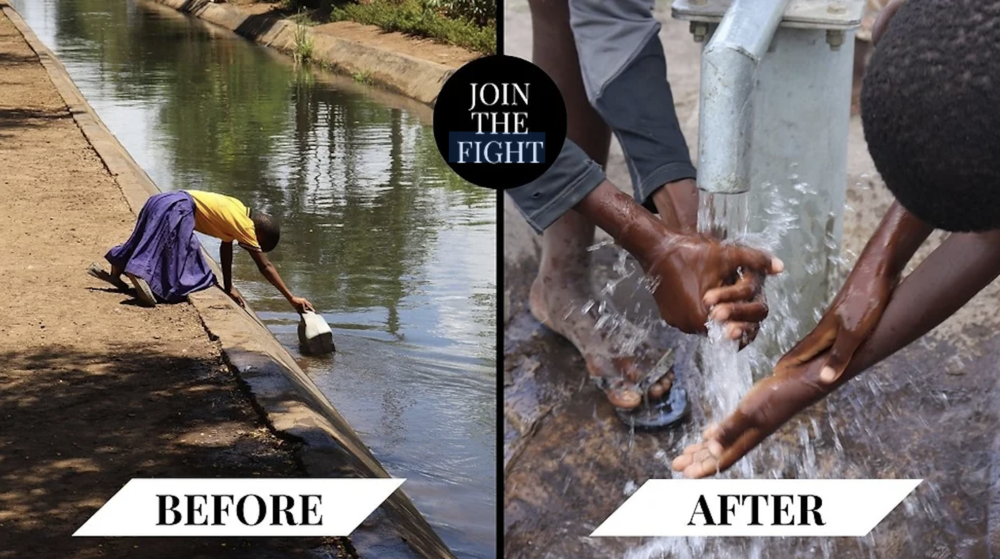
When a family does not have water, a necessity of life, all other aspects of life will cease until they can get water. This means that women and children will often spend many hours of the day fetching water from any source they can find. Sometimes that can mean walking for hours with an empty container, and then walking for hours back home with a full container. Walking for 5-10 hours a day just to fetch water is not uncommon.
As part of their culture, girls ranging from very young to womanhood are the ones who are usually fetching the water. This means that children and teens do not get an education and they can even be susceptible to violent crimes, like rape, when fetching the water miles away from their homes or school.
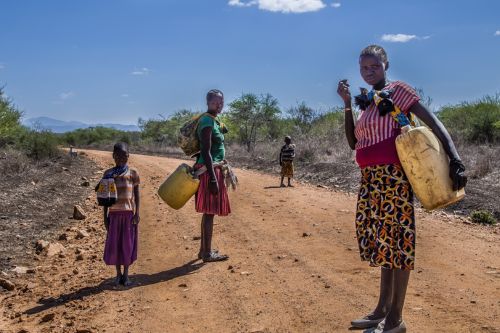
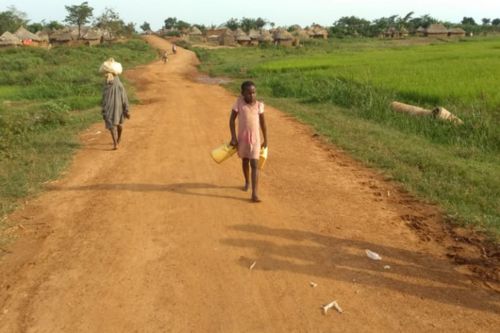
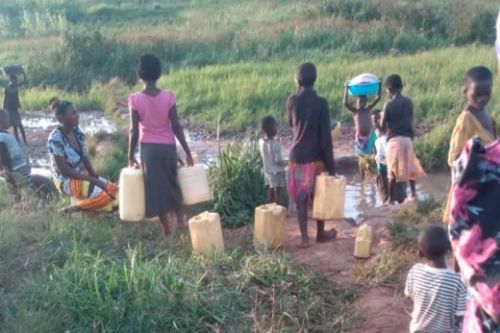
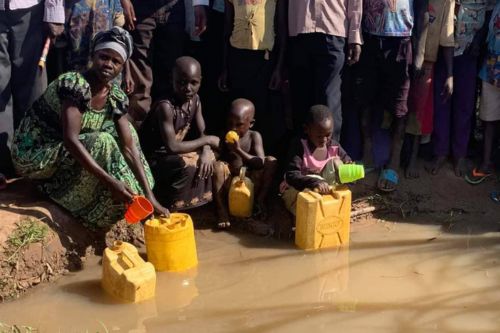
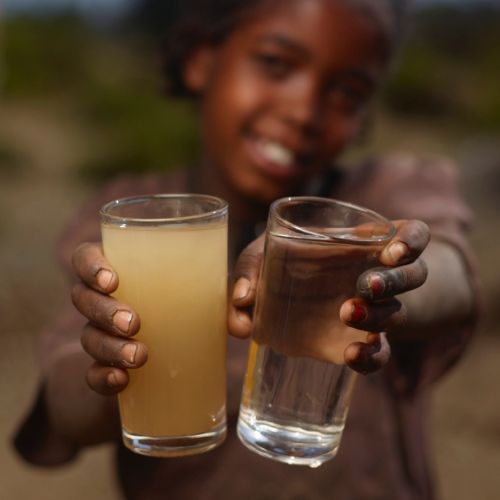
The water sources that are available will often have contaminated water. Depending on the season, they might get water from nearby rivers or ponds. This is where livestock will also go to get water and where the livestock also happens to defecate and urinate. If the water is not flowing it will certainly be muddy. It will also have germs and contaminants that cause water-related disease. Sometimes a water source can be from a well that is not dug deep enough, so it actually mixes with the sewage of the community.
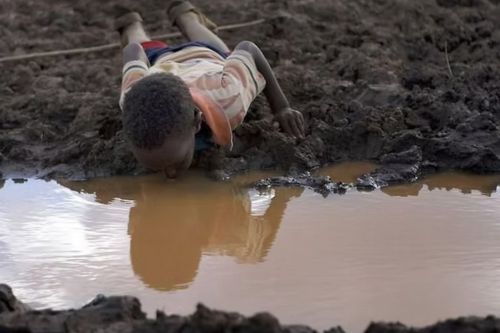
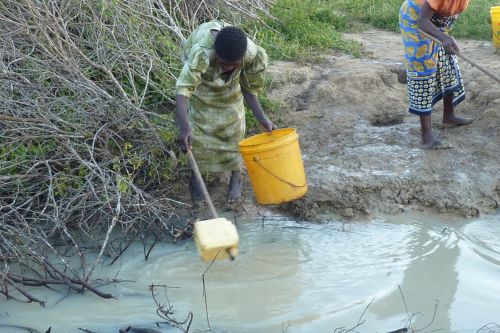
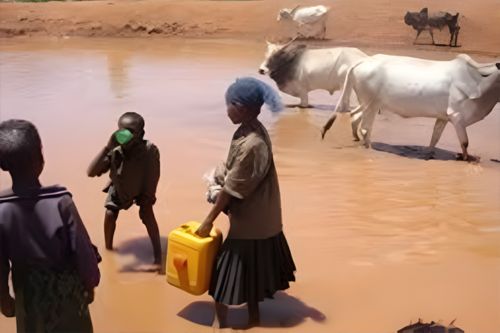

Common water-related diseases include Typhoid, Cholera, Dysentery, Bilharzia or Schistosomiasis, Malaria and others. The World Health Organization has shared these staggering statistics*:
- Every MINUTE in Africa a child under age 5 dies from water-related disease.
- 1.8 billion people live without access to clean water
- 3.4 million people die each year due to water-related illness.
- 115 people die each HOUR in the Africa region alone.
*Stats will change over time but still show that contaminated water and water scarcity are a crisis in East Africa.
Since fetching water will often mean that school and work are put on hold, that creates a major paradox for the overall improvement of these communities over time, especially since the only alternative to fetching the water is buying water in the market, which is very expensive. Without a reliable water source these communities cannot produce their own crops for food, so they have to rely on outside sources for food which is also expensive.
Water has a direct impact on individuals, families and communities. Lack of water means less food, less education, increased susceptibility to violent crimes, and less sustainable crops. Contaminated water means disease and death, especially for infants and children. So what are we doing about it?
The Solution For Clean Water In Africa:
The H3 Human-Powered Clean Water Well Drill & People Like You!
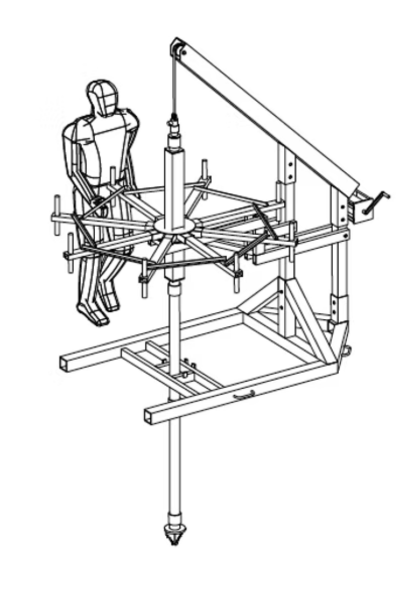
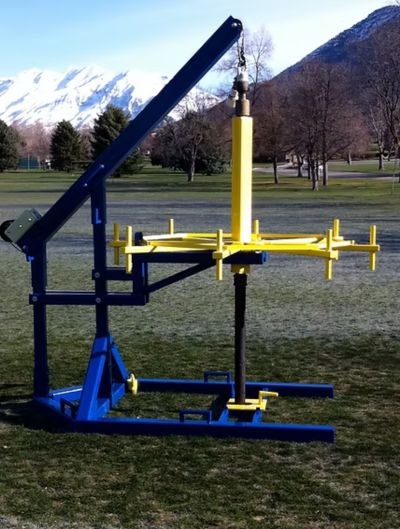
The founder of Hearts and Hands for Humanity worked closely with the professors and students of Brigham Young University’s Engineering department to create the H3 custom-designed human-powered drill that we use to provide clean water in Africa. The design of the drill had unique requirements – it had to be capable of drilling inexpensively (human-powered); it had to be somewhat mobile so it could be moved to different locations; and it had to be able to drill as deep as 250 feet below ground. This latter requirement was perhaps the most important because it meant that the finished well would reach a clean water aquifer. Water from wells that are too shallow, or only reaching a surface aquifer, can be contaminated since it mixes with sewage and other ground contaminants. After many attempts and trials, a successful prototype of the human-powered drill was completed.
Drill Development:
The Final Product:
The Human-Powered Clean Water Well In Action:
This human-powered Drill can now be manufactured and assembled on site, anywhere in the world. With this new technology, one of the world’s greatest humanitarian needs is and will continue to be met! With this amazing tool Hearts and Hands for Humanity can provide clean water wells at 1/4 the cost of wells provided by other charities.
School

Farm
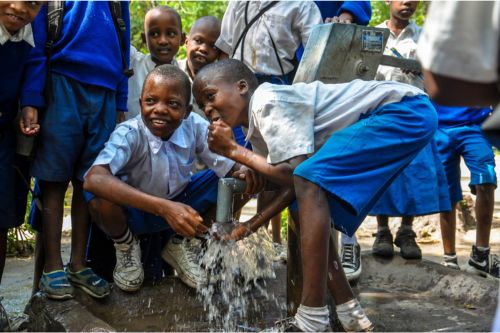
Well sites are always chosen to maximize the positive impact and benefit entire communities. Two common places where clean water wells are installed are schools and farms. A “primary school” is similar to “elementary school” here in the USA; it can be equivalent to K-6. Their high schools are called “secondary school”. We also partner with other charities and provide wells for orphanages and other causes. Sometimes a school can also be an orphanage or a home for abandoned children.
When a clean water well is installed at a school, that means that children, in particular child and teenage girls, can now get an education and are less susceptible to violent crimes. There is no longer pressure from family or pressure to survive which causes them to be out fetching water. If the water is at the safer environment of school, they want to be there and their family wants them to be there, because it means they will bring water clean water home. No more walking for hours a day to where ever they can find contaminated water; they walk to school, stay in school and then back home.
When a clean water well is installed at a farm, that allows the farm to provide crops for a nearby community, which increases the food supply at a much lower cost for everyone. Sometimes these farms will exchange manual labor for food, which becomes an employment opportunity.
For each major region where wells are installed, we hire and train a local drilling team. This gives much-needed employment to locals who are willing to work.
Each and every well that is installed is an opportunity for people like you to volunteer in person and make a personal connection with some wonderful people across the ocean. You can meet them, help dig a clean water well, and have an amazing experience as you witness the joy and hope that is brought to these people.
And above all, each well will provide clean, drinkable water for the communities they supply, and it reduces the deaths and illnesses caused by water-related disease.
Donate To Change Lives and Save Lives
Every $10,000 is a threshold for another clean water well.
For every $10,000 donated, we can build a clean water well that saves lives and changes whole communities for the better. Donations of any amount are greatly appreciated and always treated as sacred. Be part of the solution and donate today.
Be Part of the Solution, Donate Today:
Join Us On a Humanitarian Safari
You can meet the people and help drill a well.
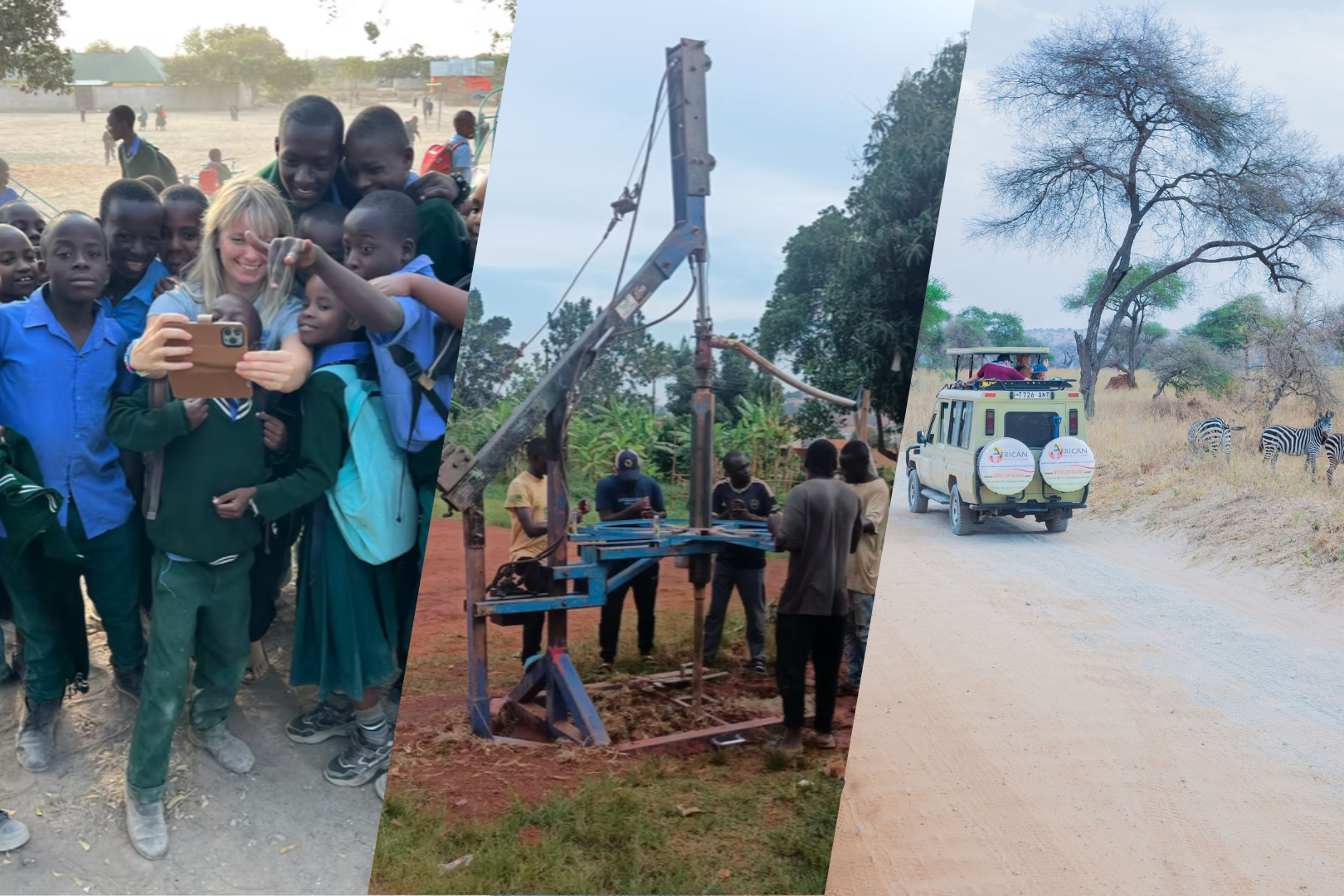
Get on a plane and come with us! You can help drill a clean water well with your own two hands. Unlike other charities which provide humanitarian work in Africa, Hearts and Hands for Humanity provides an option for donors to actually meet the people they are donating to. You don’t have to just hope that the funds will go to some abstract stranger across the ocean. You can go to Africa with us on a Humanitarian Safari and make a real connection with these wonderful people. You’ll see in person the hope and joy that we bring to their lives when we provide them with clean water. It transforms their community and gives them hope for future.