
HUMANITARIAN SAFARI
Experience first-hand the joy and hope that these life-saving programs bring to these wonderful people and explore the wonders of Africa.
Join Us on a Humanitarian Safari and Experience The Trip of a Lifetime!
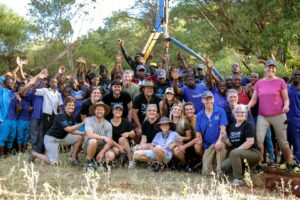
Hearts and Hands for Humanity is not a charity that expects you to donate to some abstract stranger across the ocean and hope that your money is actually going where you are donating. We would love for you to come to Africa with us and meet the people you are donating to. You can experience first hand the love and joy that we bring to these wonderful people with these life-saving programs.
There’s a vacation, and then there’s a Humanitarian Safari. While a vacation is entirely focused on rest and recreation, and while it can be refreshing, it is not nearly as rewarding as a humanitarian safari. Some might call this a “service mission” or “mission trip”, but it is even more than that. A “humanitarian safari” is aptly named since it combines humanitarian service projects with opportunities to explore the wonders of Africa. It is both a “humanitarian trip” and an “African Safari”. This trip will be life-changing for you, and it is life-changing for the people we serve.
Since certain expenses cannot be deemed charitable, we partner with a for-profit entity to make the Humanitarian Safari possible. Charitable and non-charitable funds are kept seperate.
When your Heart is involved and you are willing to get your Hands dirty, we can all make a difference in the fight against scarce and contaminated drinking water, as well as hunger and poverty, for those in need.
The basic Humanitarian Safari is 10 days in Tanzania, Africa, with the option to add more days for both humanitarian and exploration add-ons. When planning the trip you’ll have the following options for your itinerary:

Humanitarian Services
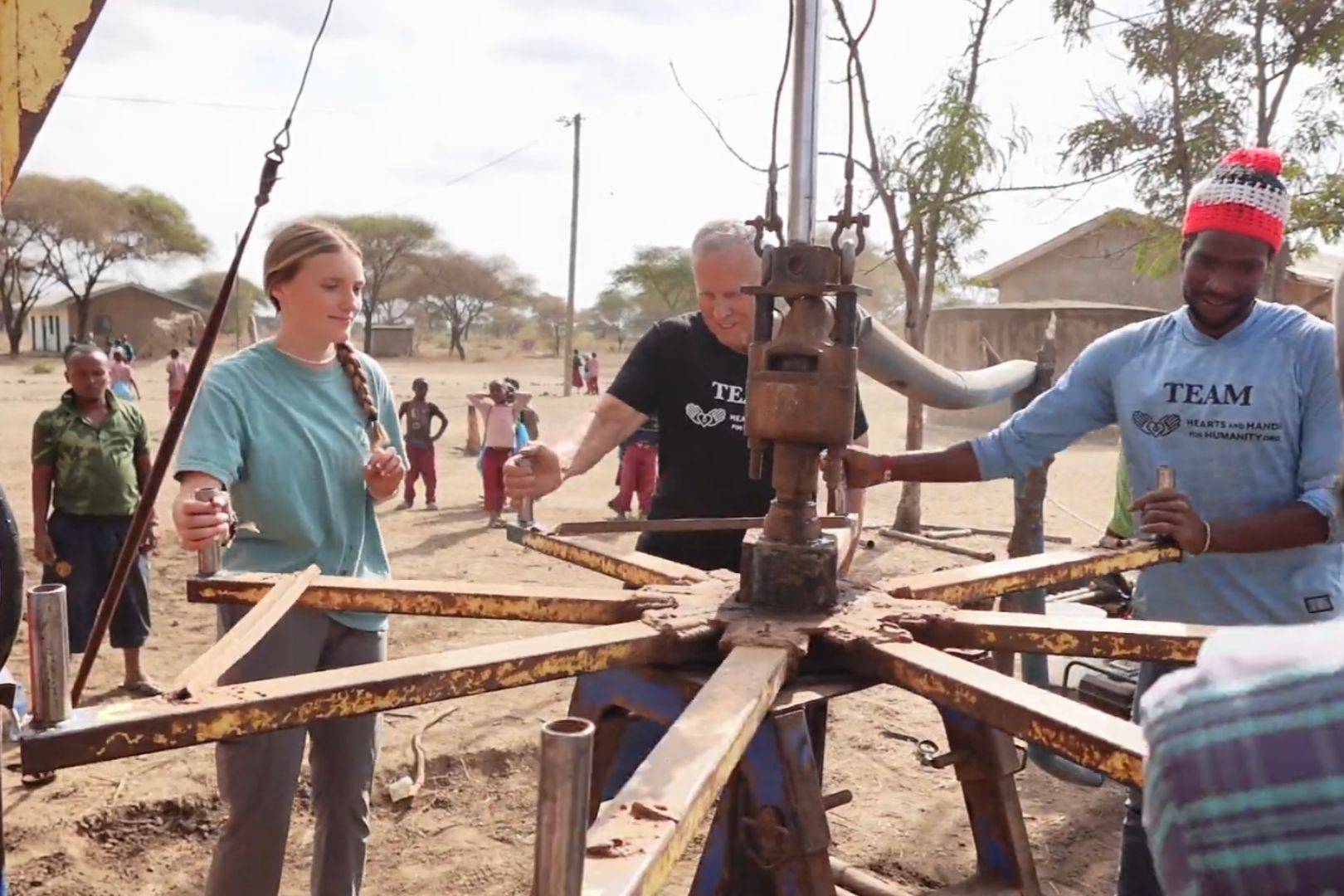
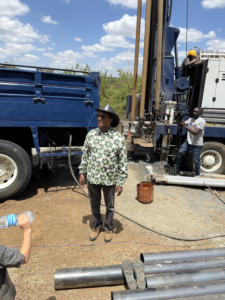
Drill A Clean Water Well
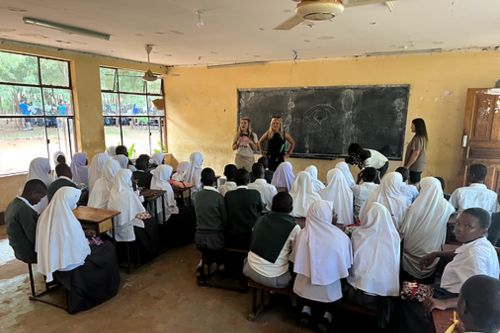
Deliver Feminine Hygiene Kits
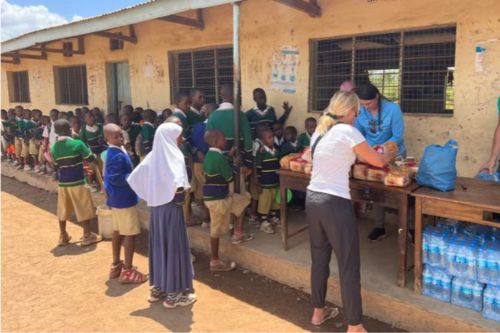
Serve Primary School Lunches
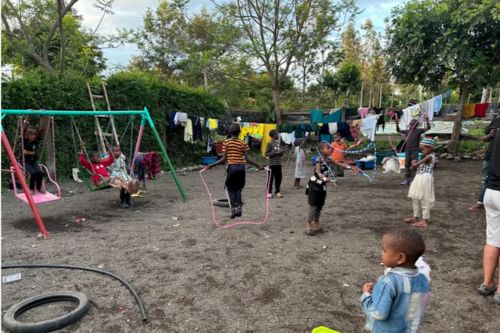
Volunteer at H3 Orphanage
Volunteer at Neema Village
Visit Mully Children’s Family**
LDS Temple Trip**
Additional Information
Drill A Clean Water Well
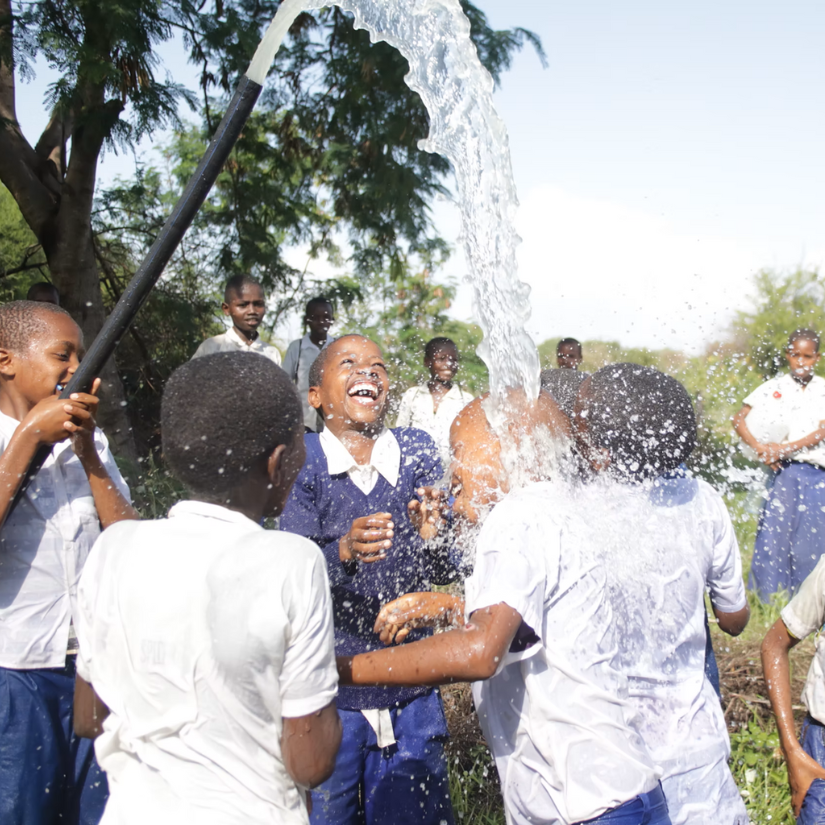
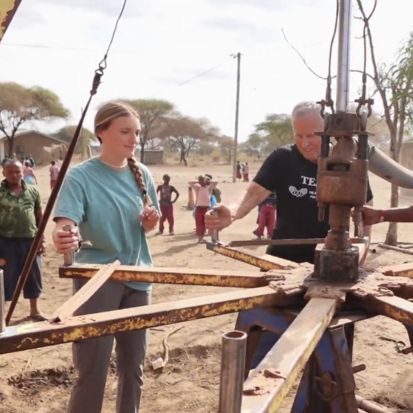
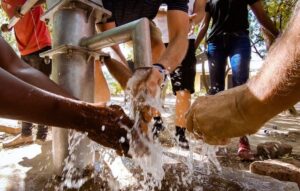
At the core of every Humanitarian Safari is the installation of a clean water well using the H3 custom-designed human-powered drill. This is the moment where philanthropy meets the earth, providing a sustainable source of life for an entire community. Rather than observing from a distance, guests are invited to stand at the heart of the action. With your own two hands you can participate in the immediate and permanent transformation of communities who receive clean, drinkable water.
Learn more about why we drill clean water wells and their ability to reduce water-related disease, reduce child and infant deaths due to water-related disease, enable young women to attend school, reduce susceptibilty to violent crimes against young women, and provide sustainable crops in areas of extreme poverty.

 Deliver Feminine Hygiene Kits
In many developing regions, such as Tanzania, the onset of puberty marks a difficult crossroads for young women. Without access to reliable hygiene products, girls often miss up to five days of school every month, leading to significant educational gaps and a high rate of dropouts. The distribution of Days for Girls reusable feminine hygiene kits provides a sustainable, long-term solution to this barrier, ensuring that 100 to 300 young women at each site receive the tools and knowledge necessary to stay in the classroom and have greater confidence to participate in society. Learn more about the impact of Days For Girls Feminine Hygiene Kits.
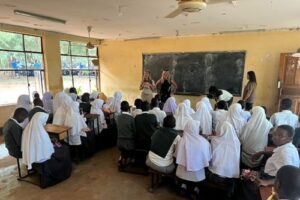
The women in the travel group lead supportive educational sessions for girls in their “tweens” and teens at selected primary and secondary schools. This is often a school where a clean water well has been installed, so you could have more than one day to interact with the same children. These presentations offer practical instruction on the use of reusable menstrual cups, essential guidance regarding feminine hygiene and reproductive health, and encouragement to prioritize their futures, focusing on self-respect and the benefits of abstinence to ensure they reach their full academic and personal potential.
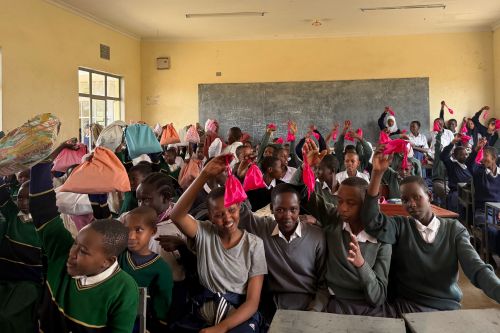
Simultaneously, the men in the travel group lead a parallel session for the young men of the school. This conversation focuses on respecting and honoring the women in their community. The men may also discuss topics of their future such as their choice of career, the possibility of starting a business, and becoming responsible husbands and fathers. By giving these presentations, the hope is that they can become successful and then give back to their communities, making this a perpetual program.
 Serve Primary School Lunches
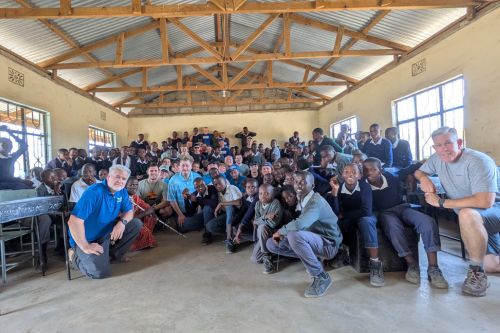
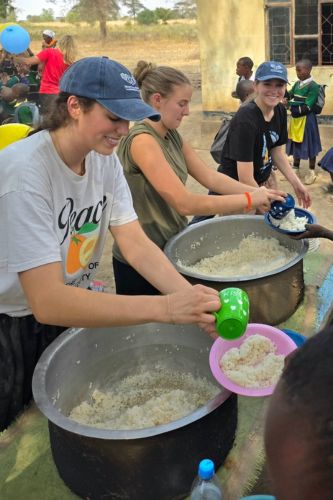
Food insecurity is a constant challenge for many children in Tanzania. During the Humanitarian Safari, guests step into the heart of a school’s daily operations to provide lunch for between 100 to 300 students. This is often at the same school where a clean water well has been installed, giving you more opportunities to interact with these wonderful children and see the joy on their faces as they receive food and a small toy. After lunch is served guests might spend the rest of the afternoon playing with the children. Learn more about the details of serving primary school lunches.
Providing these lunches is a humanitarian gesture that enhances the “striking of water” celebration. They play a vital role in celebrating the new, life-changing access to clean water that will serve these children for years to come. It is an invitation for travelers and donors to see the immediate, human impact of their presence.
Volunteer at H3 Orphanage
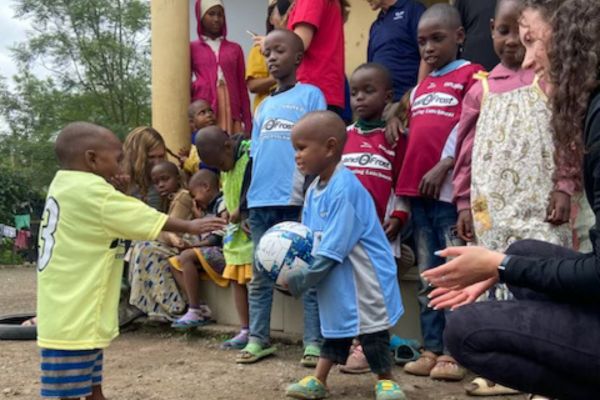
As the only home operated directly by Hearts and Hands for Humanity, this facility represents a deep, long-term commitment to the most vulnerable children in the region. Guests often find that the “safari” takes a backseat to the profound emotional bond formed within minutes of arriving at the home.
Volunteering here is not about complex tasks; it is about the power of being present. The children at the H3 Orphanage have a remarkable capacity for joy and resilience, and they welcome visitors with an openness that is life-changing for the traveler.
Spend time playing with the children, or helping with much-needed chores such as washing their clothing. These moments of individual attention are cherished by the residents and offer guests a true sense of love for these children in need.
Learn more about the H3 Orphanage and the current fundraisers to improve this facility.
Volunteer at Neema Village
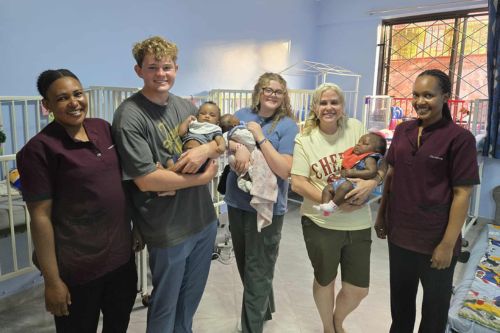
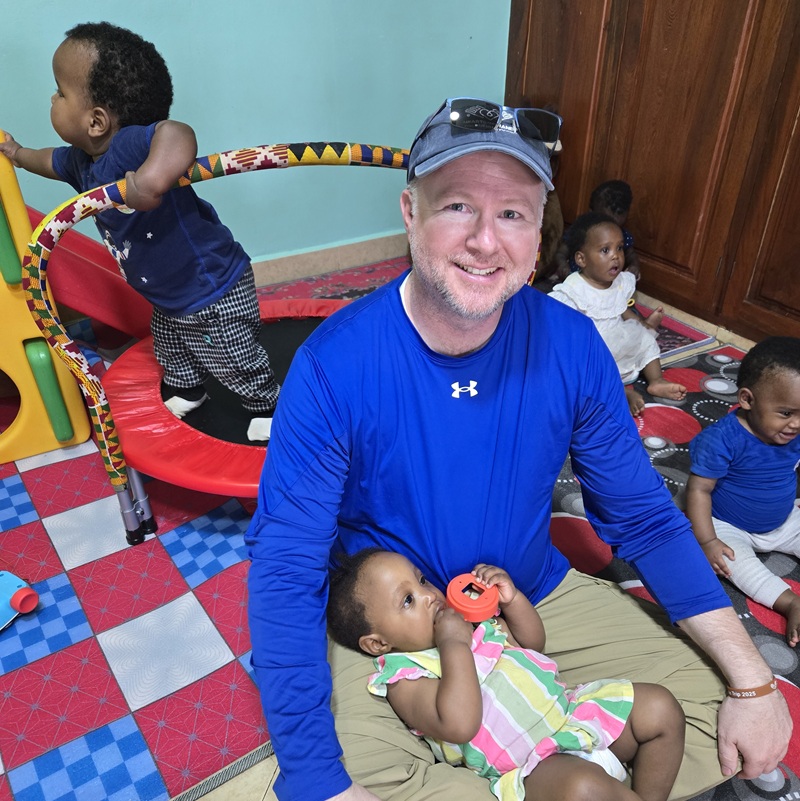
Neema Village is a baby rescue center in Moshi, Tanzania. Hearts and Hands for Humanity drilled a clean water well for them, well #11, which has provided them with clean, drinkable water that they use to give the babies formula and clean clothes.
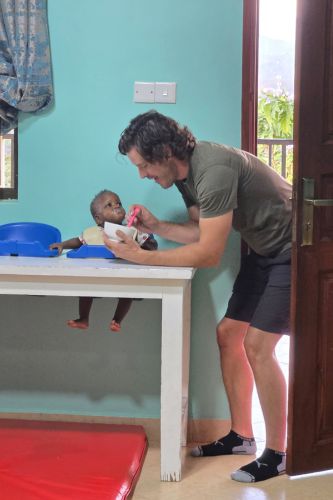
As part of an ongoing partnership with them, H3 Humanitarian Safari groups can volunteer, which simply involves showing love for these babies by holding them, playing with them and feeding them. This special experience is often a favorite highlight for many of our travelers.
Learn more about Neema Village and Well #11.
 Visit Mully Children’s Family (**Optional Addon)
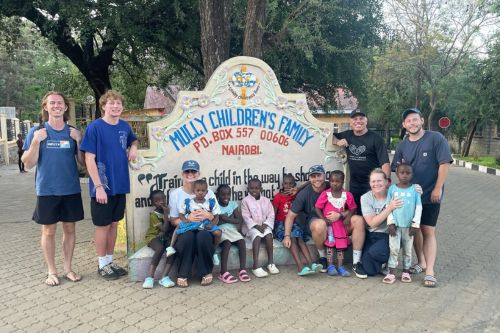
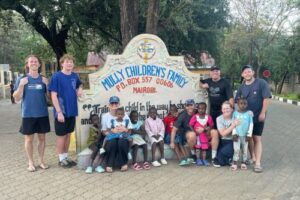
Mully Children’s Family (MCF) is an orphanage that was established by Charles Mulli, an inspired man who was abandoned as a child and wanted to do something to save orphans from the slums of Kenya. They currently have 11 locations in Kenya and Tanzania and are also known as “The Worlds Largest Family”. Their program provides more than just shelter — it provides a future. Through a holistic approach to housing and vocational training, children are empowered with the skills needed to thrive. Currently, Hearts and Hands for Humanity supports this mission by installing clean water wells to sustain these growing communities. Learn more about Clean Water Wells for Mully Children’s Family.
Staying at an MCF facility provides a unique look at the impact of their vocational training. In east Africa, tourism is a cornerstone of the economy, and many residents refine their hospitality skills right on-site with guests who stay at the facility. The guest accommodations are thoughtfully designed and managed, often exceeding the standard of the residents’ own quarters—a testament to the Kenyan spirit of “Karibu” (welcome). All dining and lodging are provided at the facility during this portion of the journey.
A visit to MCF is an invitation to witness resilience in action. Days are spent volunteering within a variety of vibrant programs, including agriculture, home service trades, pottery, art, performing arts and more. Guests are often treated to moving showcases of music and dance by the students.
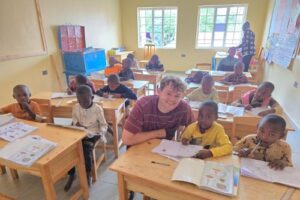

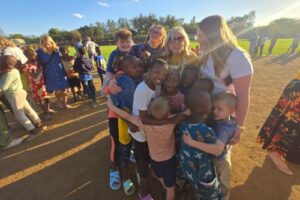
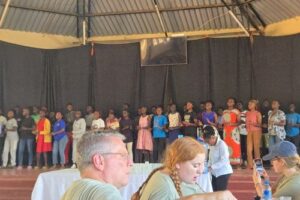
Visiting Mully Children’s Family is an optional addon to the standard 10-day package. Crossing the border from Tanzania to Kenya will also require a Kenya Visa. Contact us to discuss custom pricing for this add-on.
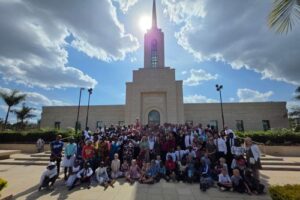 LDS Temple Trip, Nairobi, Kenya (**Optional Addon)
Hearts and Hands for Humanity is not affiliated with The Church of Jesus Christ of Latter-Day Saints. However, there are enough donors who are members of the Church to merit making this an optional trip add-on.
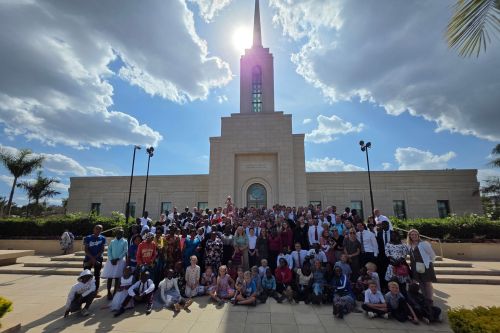
Most itinerary options take place in Tanzania. Since the nearest LDS temple is in Nairobi, Kenya, it might also make sense to combine this option with a visit to Mully Children’s Family at one of their 11 locations in Kenya, especially if you are donating towards Clean Water Wells for Mully Children’s Family.
If your group selects this option and there is room on the bus, then we can arrange for local members of the Church to attend the temple with you. This will be an eternal blessing for them since many are not able to pay for the trip on their own and some may never attend the temple otherwise. You can also sponsor more members or additional buses if you choose.
The Nairobi Temple is located in an enclosed compound and they have a visitor center with distribution services, lodging and a play place for children. Adults can attend temple ordinances while younger members of the group are safe and supervised.
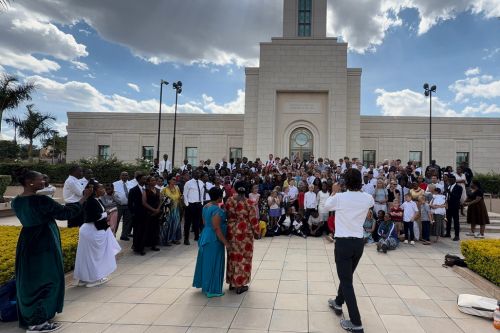
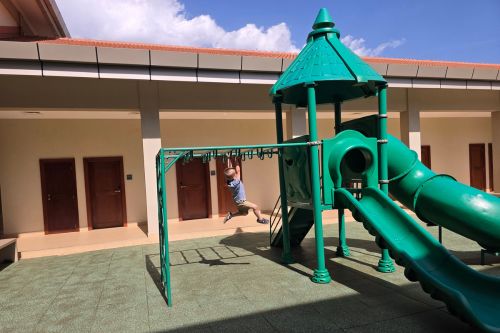
While this optional add-on is listed under the “Humanitarian” section, all temple trip expenses are deemed as “non-charitable”. Crossing the border from Tanzania to Kenya will require a Kenya Visa, and this itinerary option might involve additional lodging expenses. Contact us to discuss custom pricing for this add-on.
Since the 10-day trip will include one or two Sundays, we can also arrange for you to attend Church services with a local LDS branch.
Helping anyone in the group attend Sunday church services at a local congregation is something that can be done regardless of their religious denomination, as long as their denomination has a meeting within a reasonable distance.
Additional Humanitarian Information
With every trip to Africa we try to maximize the humanitarian impact. Most plane tickets to Africa will allow you to take three bags and a carry-on. With smart packing, you’ll only need one bag. Those who travel with us will usually pack the additional bags with various donations, such as Days For Girls Feminine Hygiene Kits, school supplies, laptop computers, clothes, blankets or anything else you might think to donate. Some travelers like to bring candy that they can give to children while the bus is stopped along various places along our travel routes. This simple act of kidness can brighten their day and give them a positive memory that they might keep forever. Then, once your spare baggage has been emptied, you could choose to fill them with souvenirs or donate the bags themselves to someone in need.
If there are open hours on the intinerary then there is no shortage of service opportunities to fill the day. Other humanitarian services could include:
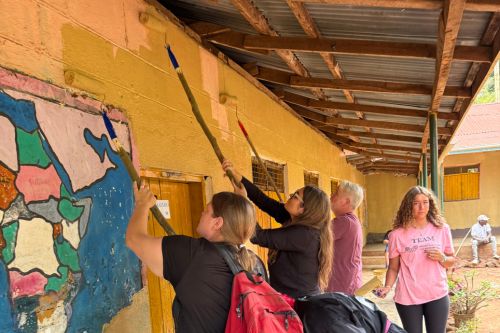
- Painting a school
- Having an art session with orphans
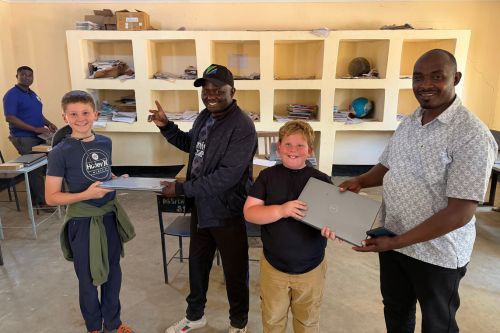
- Delivering computer donations and training school staff on how to use the computers
- Various construction projects
- Gardening or planting trees
- And more.
Attending Church Services: Naturally, a 10-day trip or more will include one or two Sundays. If anyone in your group wants to attend local church services then we can help make it happen if your denomination has meeting services within a reasonalble distance.
If you have something in mind that you’d like to add to your itinerary then let us know. We will always try to help customize the trip to make it just right for your group.

Explore Africa
2-Day African Safari
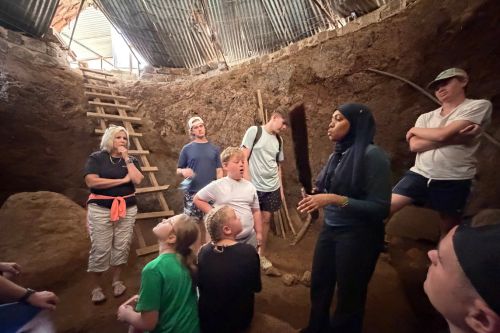
Chugga Caves Tour
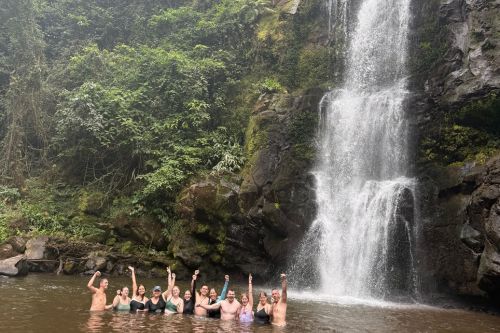
Ndoro Waterfalls
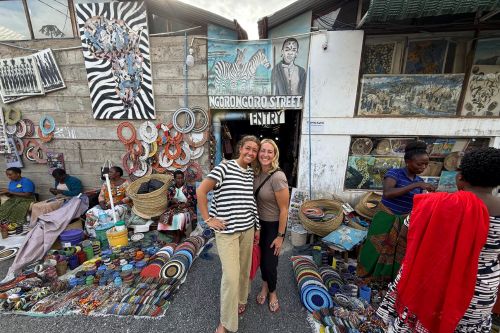
Maasai Market
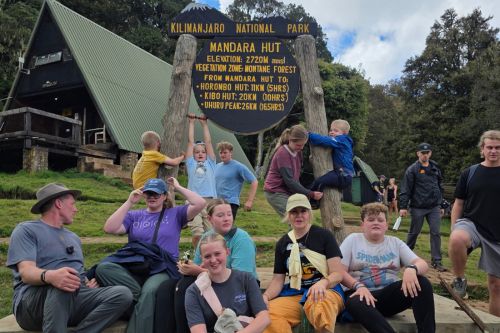
Hike Mt. Kilimanjaro (1 Day)**
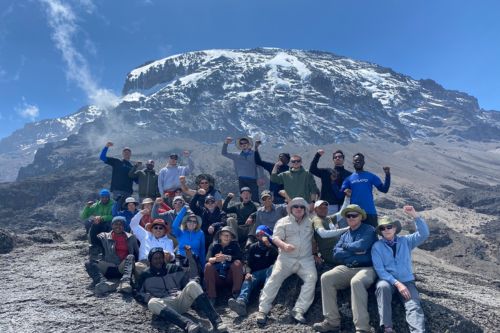
Hike Mt. Kilimanjaro (7 Days)**
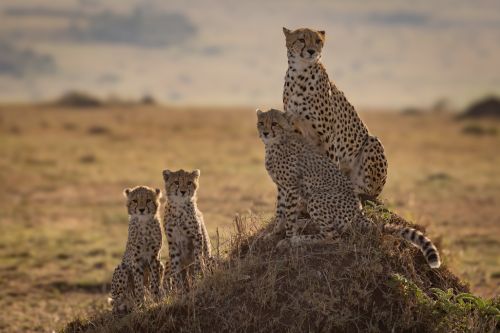
Serengeti**
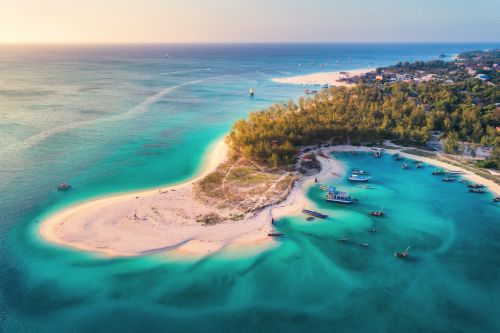
Island of Zanzibar**
2-Day African Safari:
The Great Wildlife Adventure in Tarangire and Ngorongoro
The transition from humanitarian service to the wonders of the African wilderness is a breathtaking experience. Over two days, the journey moves through two of the most iconic landscapes in East Africa, offering an intimate look at the continent’s most majestic creatures.
The Giants of Tarangire
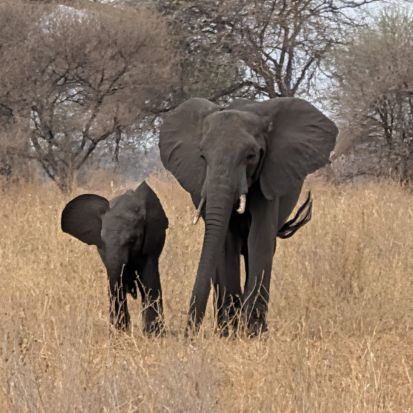
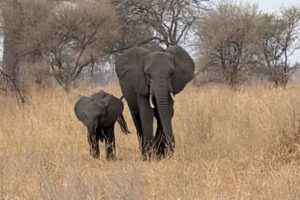
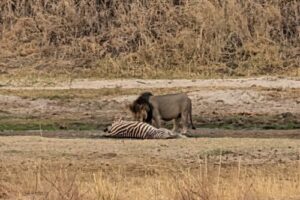
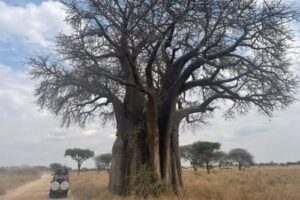
The adventure begins in Tarangire National Park, famous for its massive elephant herds and ancient, towering baobab trees. As the Tarangire River provides the primary water source for the region, the park becomes a vibrant corridor for wildlife. It is the perfect introduction to the bush, where lions, giraffes, zebras, wildebeest, over 500 species of birds, and other exotic animals thrive among the silhouettes of the “Tree of Life.”
The Ngorongoro Crater
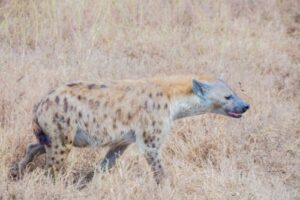
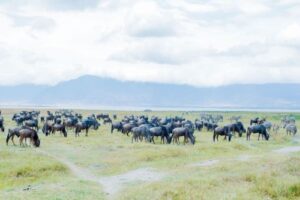
The second day descends into the Ngorongoro Crater, a UNESCO World Heritage site and the world’s largest inactive volcanic caldera. Often described as a “natural zoo,” the crater floor provides a sanctuary for nearly every species found in East Africa.
In Search of the Big Five
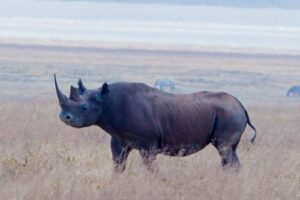
This two-day circuit offers an incredible opportunity to check the “Big Five” off the bucket list: the Lion, Leopard, Elephant, Buffalo, and Rhino. The Ngorongoro Crater, in particular, is one of the few places left on earth where the rare Black Rhino can be spotted in its natural habitat, which can help complete the set for lucky travelers. One of the only times some of our travelers spotted a leopard was also while they were descending the Ngorongoro Crater. And if you want an even better chance at crossing off the Big 5, or at seeing other species, then consider the Serengeti add-on.
The Safari Experience: Comfort and Seamless Logistics
Wildlife viewing is conducted with a focus on both luxury and safety. Every detail of the vehicle and guidance is designed to ensure a seamless, world-class experience.
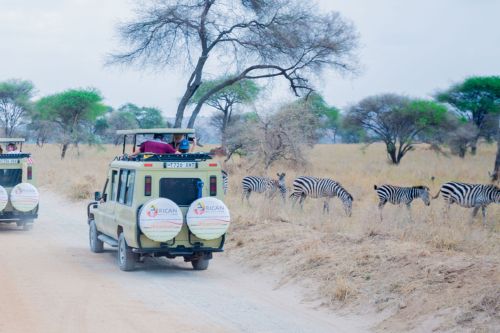
The Vehicle: Travel occurs in a custom-fitted Toyota Land Cruiser, specifically engineered for the African bush. The vehicle seats up to 6-7 passengers and includes a fridge, Wifi, and power outlets.
The Pop-Top Advantage: The vehicle features a specialized pop-top roof, allowing the passengers to stand up for 360-degree, unobstructed views. This allows for immersive viewing and photography while maintaining a safe and respectful distance from the animals.
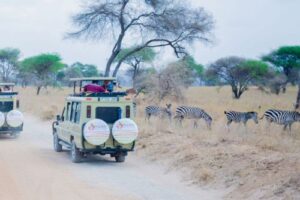
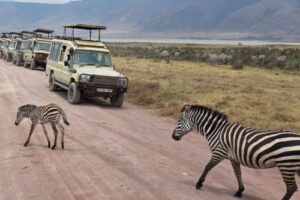

Experienced Drivers: A dedicated, highly experienced driver remains with the group for both days. Beyond navigating the rugged terrain, the driver is adept at tracking wildlife (by conversing with other drivers in route to be aprised of latest sightings) and finding the best locations to observe the wildlife. The driver manages all transitions, providing door-to-door service to and from the lodging both days.
At the conclusion of the safari, it is customary to provide a personal tip to the driver as a gesture of appreciation for their expertise and service. Please note that this gratuity is handled individually and is separate from the package pricing listed below.
Chugga Caves Tour
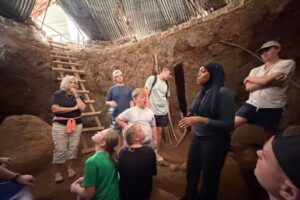 Nestled in the lush foothills of Mt. Kilimanjaro, a visit to the Chagga Caves offers a fascinating glimpse into the ingenuity and resilience of Tanzania’s mountain people. This area provides a striking contrast to the vast savanna, characterized by verdant rain forests and the thundering beauty of the nearby Ndoro Waterfalls.
The People of the Mountain
To understand the history of this region, it is essential to distinguish between the two most prominent ethnic groups in northern Tanzania: the Maasai and the Chagga.
- The Maasai: Traditionally nomadic pastoralists known for their vibrant red cloaks and presence on the open plains.
- The Chagga: Historically mountain-dwellers and skilled agriculturists who have called the fertile slopes of Kilimanjaro home for centuries.
A Hidden Underground Legacy
The Chagga Caves are not natural formations; they are an extraordinary feat of manual engineering. Historically, these elaborate underground tunnel systems were hand-carved by the Chagga people to serve as secret dwellings and defensive fortifications.
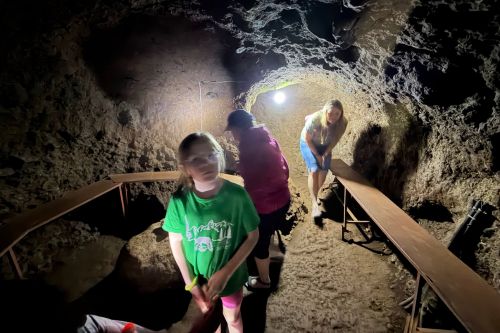
Defense and Ingenuity: The caves were designed to protect families and livestock from Maasai raids during periods of tribal conflict. The tunnels include ventilation shafts, living quarters, and even areas for cattle.
A Guided Journey: Exploring these cool, dark corridors reveals the sophisticated methods the Chagga used to remain hidden and self-sufficient for weeks at a time.
Experience the Culture
This excursion provides a deeper appreciation for the diversity of Tanzanian culture. Moving from the plains of the Maasai to the volcanic slopes of the Chagga highlights the varied ways of life that thrive in the shadow of Africa’s highest peak, Mt Kilimanjaro.
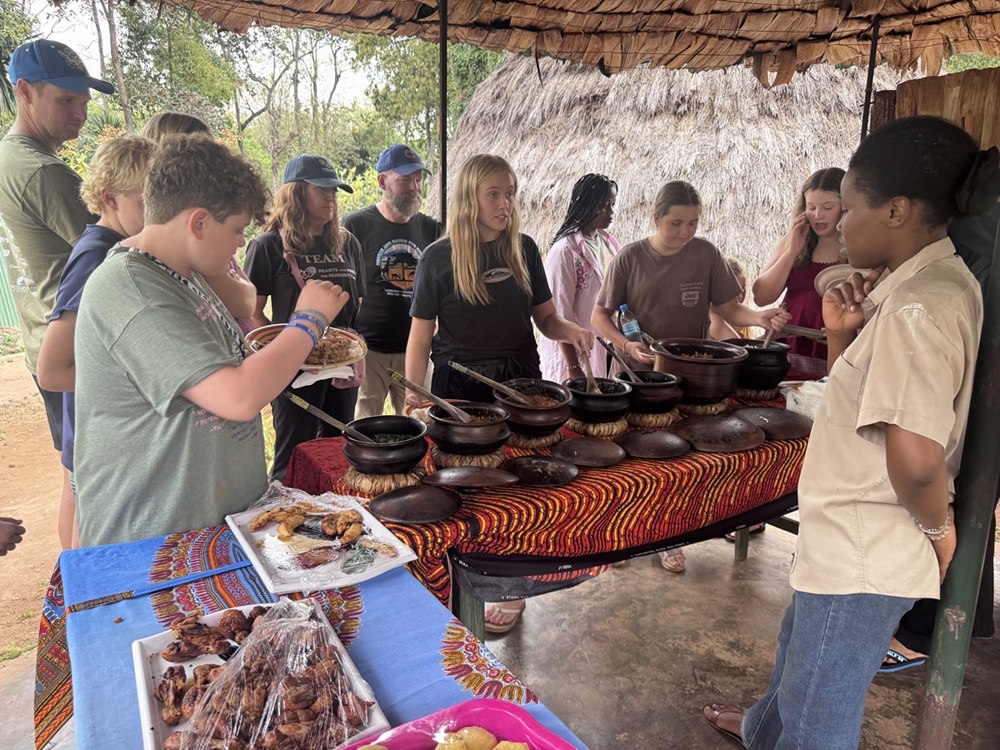
After the tour of the caves as well as traditional living huts above ground, the group is served an authentic Swahili lunch, which some of our travelers say is their favorite meal of the trip.
 Ndoro Waterfalls
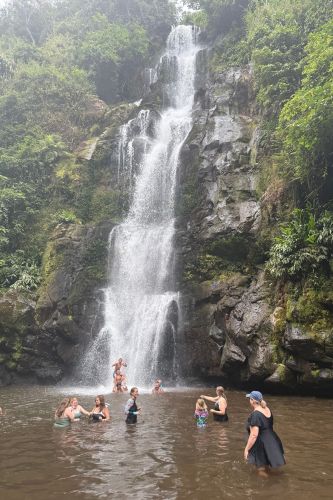
Hidden within the verdant canopy of the Kilimanjaro foothills, the hike to Ndoro Waterfalls is a journey into a lush, tropical paradise. Fed by the glacial runoff of Africa’s highest peak, the falls plunge into a serene pool surrounded by sheer rock faces and vibrant flora, offering a refreshing escape from the Tanzanian sun.
The Trek and Terrain: The path to the falls is an immersive nature walk, though it requires a bit of agility. The hike features a significant elevation change, with sections that are quite steep and potentially slippery depending on recent rainfall, which is why walking sticks are provided near the top of the trail.
Local Life: As the trail winds down the valley, look across to the opposite slopes. You may observe local residents in their daily routines, tending to small hillside farms and homes that have been part of this landscape for generations.
Guided Assistance and Etiquette
Navigating the steeper portions of the trail is often made easier by local guides who know every foothold and turn. It is common for local guides to “volunteer” their assistance during the more challenging parts of the hike in exchange for a tip at the end. This gesture of appreciation is customary and is handled directly by the traveler (This is separate from the standard package pricing).
The Reward at the Bottom
The effort of the hike is quickly rewarded upon reaching the base of the falls. The sound of the thundering water and the cool, mist-filled air provide a perfect setting for photography or a few moments of quiet reflection before the trek back up. Travelers can choose to simply enjoy the scenery or even take a dip in the water. It can be chilly, but it is also exhilarating and very refreshing!
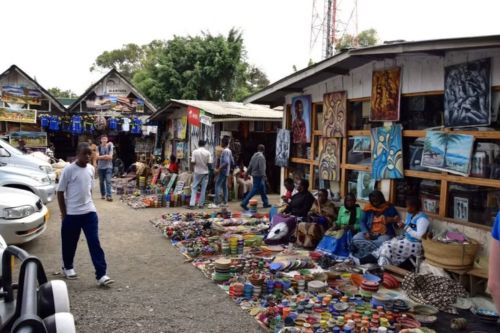
 Maasai Market: Authentic Art and Rare Gems
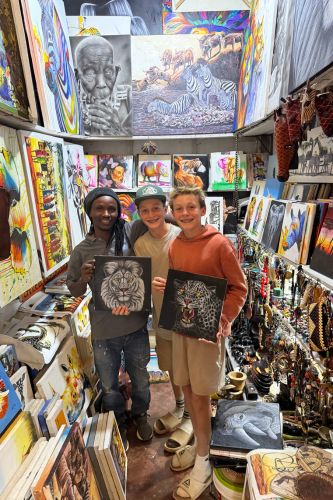
A visit to the Maasai Market is a sensory immersion into the heart of Tanzanian craftsmanship. This vibrant open-air marketplace serves as a central hub for local artisans to showcase their work, offering travelers a premier opportunity to bring home a tangible piece of East African culture.
Artistry and Craftsmanship
The market is a treasure trove of hand-made goods, ranging from intricate bead work and hand-carved ebony sculptures to vibrant “Kitenge” fabrics and traditional Maasai blankets. Each piece tells a story of heritage and skill, and purchasing directly from the creators ensures that the economic impact of your visit remains within the local community.
The Experience of Trade
The market is more than just a place to shop; it is a space for cultural exchange.
The Art of Negotiation: Haggling is a customary and friendly part of the experience. It is a social interaction where a smile and a fair counter-offer go a long way in establishing a connection with the artisans.
Support Local Artisans: Whether looking for a simple hand-painted ornament or a sophisticated piece of jewelry, these purchases directly support the livelihoods of the families and creators met during the journey. See also African Art Studio.
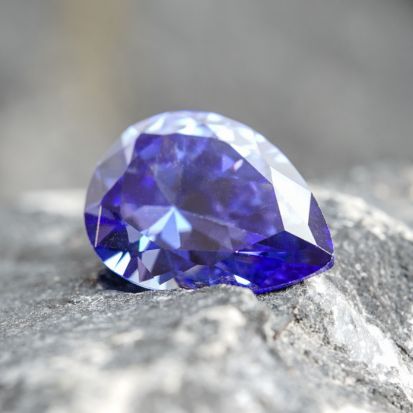 The Rarity of Tanzanite
Tanzania is the only place on Earth where Tanzanite is found. This striking blue-violet gemstone, mined in the foothills of Mt. Kilimanjaro, is a thousand times rarer than diamonds.
The Best Resource for Quality and Affordablility: Navigating the gemstone market requires expertise. Through a dedicated local partnership, guests gain access to a premier resource for purchasing pure, high-quality Tanzanite. This connection allows travelers to acquire ethically sourced stones affordably, bypassing the typical retail markups found in the West while ensuring the authenticity and certification of every gem.
Hike Mt. Kilimanjaro (**Optional Addon)
For those with an adventurous heart, Kilimanjaro is often described as “Every Man’s Everest” (or woman). It is the highest free-standing mountain on Earth, yet it remains one of the most accessible of the world’s Seven Summits because it requires no technical climbing skills—no ropes, no harnesses, and no previous mountaineering experience.
There are two optional addons to the standard 10-day Humanitarian Safari package: a 1-Day Mt. Kilimanjaro Hike and a 7-Day Mt. Kilimanjaro Hike.
Whether you choose the 1-day trek to touch the mountain’s hem or the 7-day quest for the summit, standing on the slopes of Kilimanjaro is a badge of honor. It is a journey that reminds us to keep moving forward even if it’s only at a slow and steady pace – “Pole, pole to the top” (pronounced po-lay).
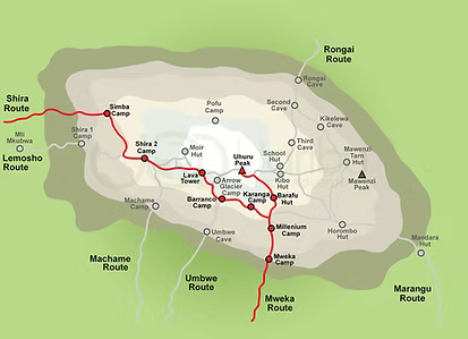
There are 6 different trails that are approved by Mt Kilimanjaro National Park to reach the Peak of Uhuru, also known as the “Roof of Africa”.
The most common route that we take for the 1-Day Hike is the Marangu Route. Hikers will ascend through the lush montane rainforest to the first checkpoint, Mandara Hut, reaching an elevation of approximately 2,700 meters or 8,858 feet, and then return back down the slope. The total hike is about 10 miles (5 miles there and back). It takes 3-4 hours to ascend and 2-3 hours to descend – pole, pole (slow and steady).
The most common route that we take for the 7-Day Hike is the Shira Route, passing through five distinct climate zones: from tropical rainforest at the base to the heath, moorland, alpine desert, and finally the arctic summit. We reach the summit on the morning of the 6th day and some of the faster hikers will actually see the sunrise from the top. The 5+ days that it takes to ascend the mountain is designed to help you acclimate to the different altitudes. After reaching the summit we descend the mountain in two days. The highest point reached is 5,895 meters or 19,341 feet. The hike is approximately 35 miles. The oldest hiker that we’ve had reach the summit is 89 years old; the youngest is 7 years old.
You are never alone on this trek. You’ll be accompanied by an expert team of guides and porters who manage all the logistics—allowing you to focus entirely on the mental and physical challenge of the climb.
At the end of the trek it is customary to tip the guides and porters. This is separate from the package pricing listed below.
Groups who would like to include one of these options as an add-on to their trip can find more information below, especially for the 7-Day Hike, including an itinerary, packing information and more, under Plan Your Trip.
Serengeti (**Optional Addon)
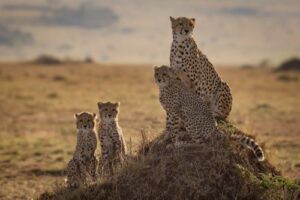 For those who want to venture deeper into the quintessential African wilderness, extending the two-day safari to include the Serengeti National Park is an unparalleled choice. While the standard safari offers a spectacular look at Tarangire National Park and the Ngorongoro Crater, the Serengeti provides the vast, “endless plains” that have made Tanzania the premier wildlife destination on earth.
The Vastness of the Plains
The word “Serengeti” comes from the Maasai language, meaning “the place where the land moves on forever.” Extending your trip allows you to experience the sheer scale of this ecosystem.
The Big Five and Beyond: While the Ngorongoro Crater is known for its high density of animals, the Serengeti offers the chance to see wildlife in its most natural, migratory state. It is one of the best places in Africa to spot elusive leopards draped over acacia branches and prides of lions lounging on massive granite kopjes (rock formations).
The Great Migration: Depending on the time of year, an extension may put you in the path of the Great Migration—a breathtaking spectacle where over two million wildebeest, zebras, and gazelles traverse the plains in search of fresh grazing.
An Immersive Wilderness Experience
Spending extra nights in the Serengeti changes the rhythm of the safari:
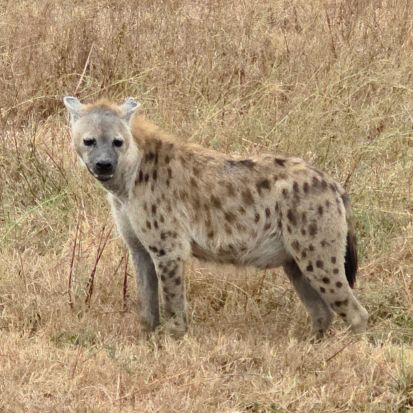
The Sound of the African Night: Staying at a lodge or luxury tented camp inside the park boundaries allows you to fall asleep to the distant “whoop” of hyenas and the deep roar of lions. It is a sensory immersion that a shorter trip simply cannot match.
Sunrise over the Savannah: An extension gives you the opportunity for early-morning game drives when the predators are most active. Watching the sun break over the horizon while a herd of elephants silhouettes against the orange sky is a “must-do” for any photography enthusiast.

Expertly Guided Exploration
The drive into the Serengeti is a journey in itself, passing through the Ngorongoro Conservation Area and providing glimpses of Maasai life along the way. With more days on the ground, the guides have the flexibility to track specific sightings and venture into quieter corners of the park, far from other vehicles.
Extending the trip to include Serengeti is an optional add-on to the standard 10-day Humanitarian Safari. Contact us to discuss custom pricing for this add-on.
Island of Zanzibar (**Optional Addon)
After the early mornings and dusty tracks of the Savanna, many travelers choose to conclude their journey on the “Spice Island” of Zanzibar. This extension offers a seamless transition from the rugged African bush to the turquoise waters of the Indian Ocean, providing the perfect environment to reflect on the humanitarian work and wildlife encounters of the previous days.
The Journey to the Island: Getting to Zanzibar is a quick and convenient domestic flight. These depart regularly from Arusha or Kilimanjaro International Airport, whisking you away to the island in under 90 minutes.
Cultural Heritage in Stone Town: Most visits begin in Stone Town, a UNESCO World Heritage site and the soul of the island.
A Living Museum: Wander through a labyrinth of narrow alleys lined with historic coral-stone buildings and the famous intricately carved Zanzibari doors.
The Night Market: In the evenings, the Forodhani Gardens transform into a vibrant street food market. Here, you can sample local favorites like “Zanzibar Pizza” and fresh seafood skewers while watching local acrobats dive into the harbor at sunset.
History and Spices: Explore the island’s aromatic legacy with a tour of a local spice farm, or visit the sobering historical sites that mark Zanzibar’s role in the global spice and ivory trades.
Pristine Beaches and Marine Life:
Beyond the history of the city lies some of the world’s most beautiful coastline.
Nungwi and Kendwa: Located on the northern tip of the island, these beaches are famous for their white sands and deep blue waters that remain swimmable regardless of the tide.
Underwater Discovery: The reefs surrounding Mnemba Atoll offer world-class snorkeling and diving, where you can swim alongside sea turtles and vibrant schools of tropical fish.
The Red Colobus Monkey: For one more wildlife encounter, a visit to the Jozani Forest offers a chance to see the rare Red Colobus monkey, a species found nowhere else on Earth.
Visiting Zanaibar is optional add-on to the standard 10-Day Humanitarian Safari package. Contact us to plan this portion of the trip and get custom pricing.
Food, Lodging & Transportation are Included
Seamless Logistics & Local Insight
No need to worry about the logistics of your trip when traveling with us. Every dining and lodging option is scouted and vetted to ensure standards of safety and comfort. Group transportation is handled from start to finish, allowing the focus to remain entirely on the journey and the humanitarian impact.
Navigating cities like Moshi or Arusha, Tanzania, requires an expert lens. Many local gems and reputable establishments sit behind security walls—a standard part of the infrastructure in developing regions—making them hardly obvious to the untrained eye. Through a network of local partners and dedicated in-house staff living in these communities, the best of the region is unlocked for you. These “boots on the ground” ensure that every meal is safe, every stay is secure, and every experience is authentic.
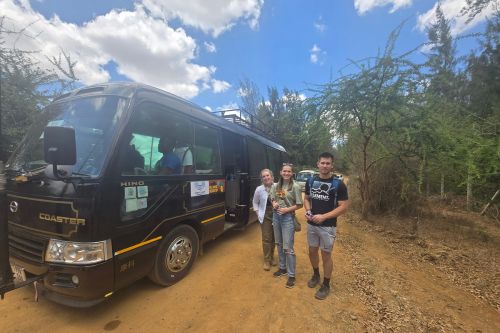
Transportation
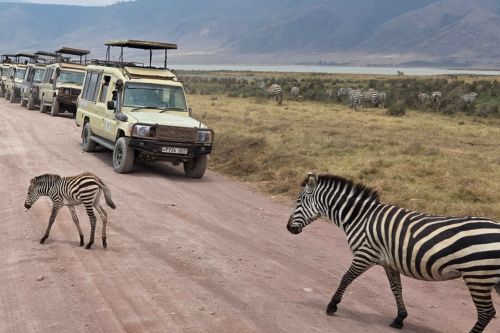
Safari Transportation
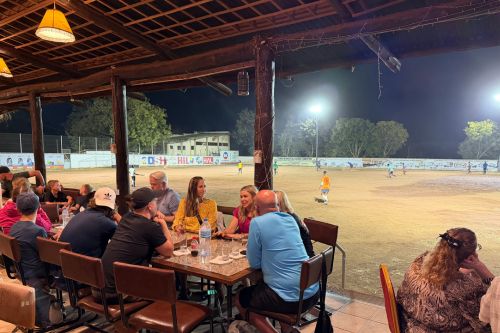
Local Dining
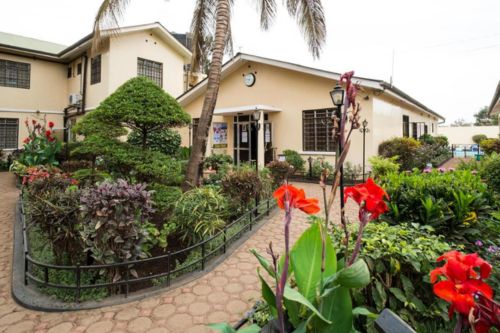
Springlands Hotel

Farm Of Dreams Lodge
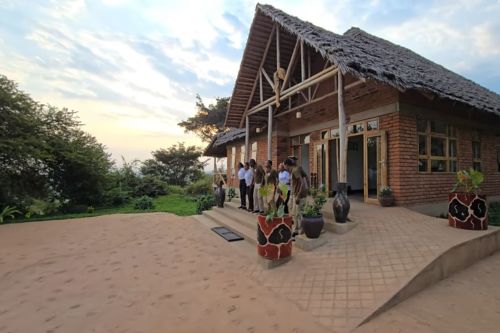
Mamadunia Safari Lodge
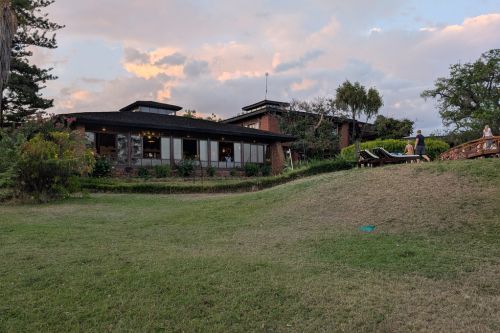
Lake Manyara Wildlife Lodge
Additional Information
Transportation
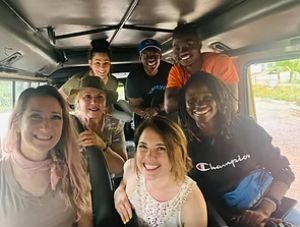 Transportation is included with the standard package and trip upgrades, from geginning to end, airport pickup to airport drop off.
The entire group travels together by tour bus throughout the entire trip, except during the 2-day African Safari (where the larger group is separated into groups of 6 or 7). Most groups consist of 10-40 travelers, for which 1-2 buses is sufficient. Yet, the largest group we’ve served had 120 people.
Since some bus rides can last for 1-4 hours; this becomes a great bonding opportunity for the group or it can give travelers time for a much-needed nap after a hard-day’s work (or fun).
Even outside of the national parks that we visit during the 2-Day Safari, there is a chance to see wildlife off the highway, and during those sightings drivers will pull over to let the group observe and take photos.
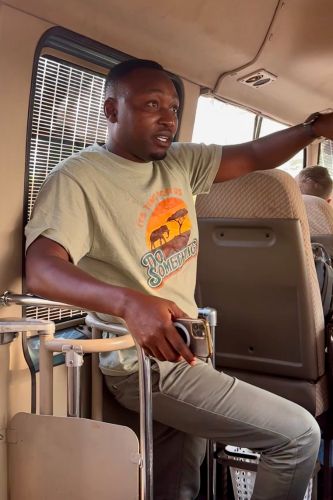
You’ll get to know your bus drivers well, especially Shakuru, who is one of our local trip managers. They are all experienced and vetted by Hearts and Hands and our network of partners.
At the end of the trip it is customary to give the drivers a tip, which is seperate from the package pricing listed below.
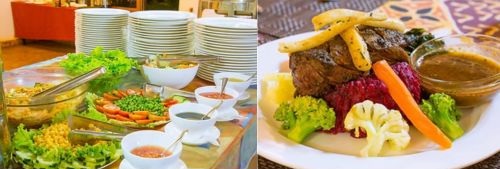
Local Dining
All meals are included with the standard package and trip upgrades.
Many of the breakfasts and boxed lunches are provided by the hospitality of the hotels and lodges where the group is staying. Hotels can also provide dinners, especially during the 2-Day Safari. On evenings when the hotel is not providing a meal, the group visits local establishments that remain largely unknown to the average traveler. These restaurants lack the massive marquee signs typical of American dining; instead, they are identified through the deep “boots on the ground” connections and local partnerships maintained by the team. These meals are among the most memorable.
The journey to one of these restaurants leads through one of the largest sugar cane farms in Tanzania, an expansive agricultural landscape that defines the region’s economy. On the drive you might be lucky enough to see wildlife on the side of the road, or when you get there you can walk to a line of trees at the edge of their property to see an entire family of monkeys.
More than one location features large grass ball fields, giving families and children space to run and play until dinner is served. At another location you might have the opportunity to witness a live soccer game played on an adjoining field.
The culinary focus is on authentic local cuisine, carefully vetted to ensure it is safe for Americans and international guests. For those seeking a taste of home, one of the locations even features high-quality American-style pizza, providing a familiar comfort after a long day in the bush. Whether sampling traditional Tanzanian flavors or enjoying a classic slice, these meals are about more than just food—they are an extension of the adventure.
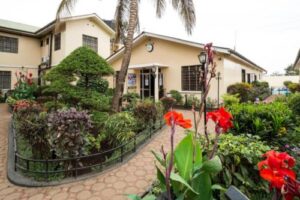
Springlands Hotel, Moshi Tanzania
Springlands Hotel is located in the town of Moshi, approximately 43 km from Kilimanjaro National Park, and serves as a quiet and secure base for much of the journey.
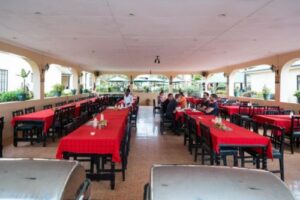
A long-standing relationship exists between Hearts and Hands for Humanity and the Springlands team. They admire the humanitarian work that we provide and they extend a high level of care and attention to every guest in the travel group. This partnership ensures a seamless transition between the village project sites and the comfort of the hotel.
The hotel is designed to provide a restful environment after a day of service or exploration. Unlike larger commercial resorts, it primarily caters to safari-goers and mountain trekkers, maintaining a sense of privacy.
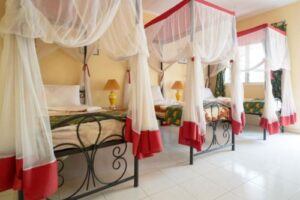
Rooms are equipped with essential amenities, including private bathrooms with hot showers, air conditioning, and windows. The beds are fitted with mosquito netting for a peaceful night’s rest.
The property features a large swimming pool, indoor and outdoor bars, and tropical gardens. The communal seating areas offer a perfect space for the group to gather and discuss the day’s experiences.
The hotel provides a consistent dining experience, serving breakfast and boxed lunches with a variety of fresh, local ingredients. The staff is known for being exceptionally warm and professional, contributing to the sense of safety and hospitality that travelers value during their stay.
Meet Our Springlands Friends
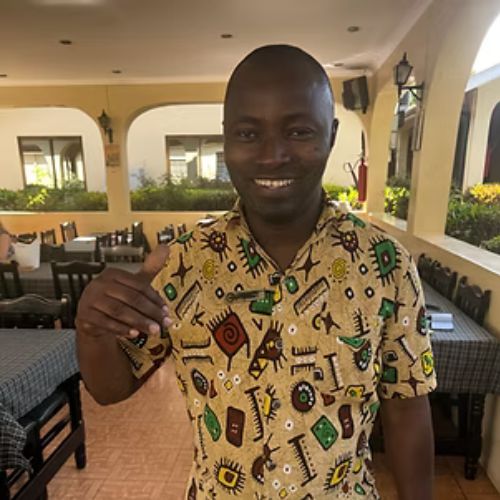
Benjamin
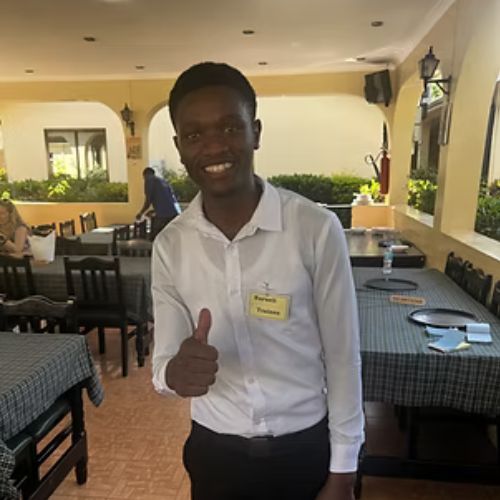
Nurueli
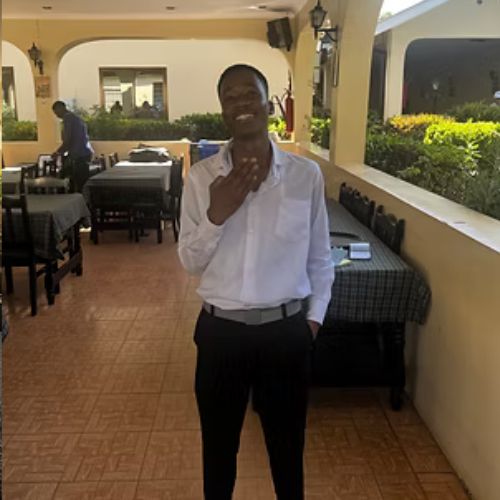
Abraham
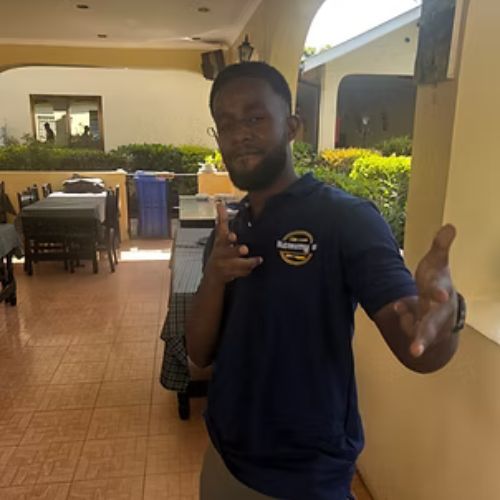
Kelvin
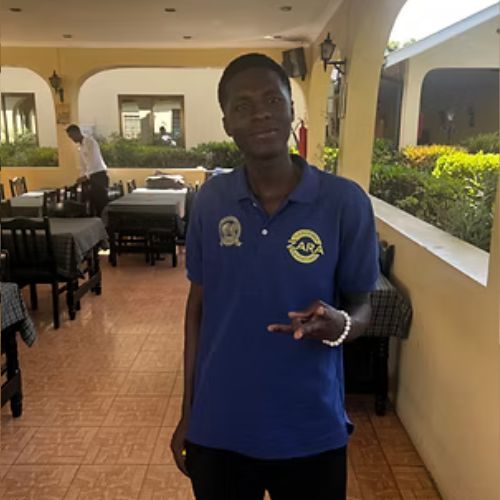
Steven

Nasa
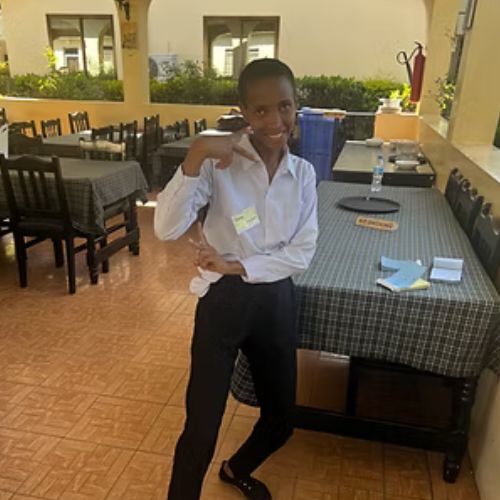
Diana
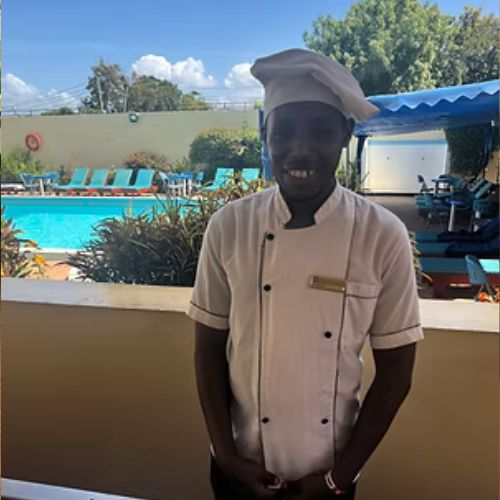
Fred
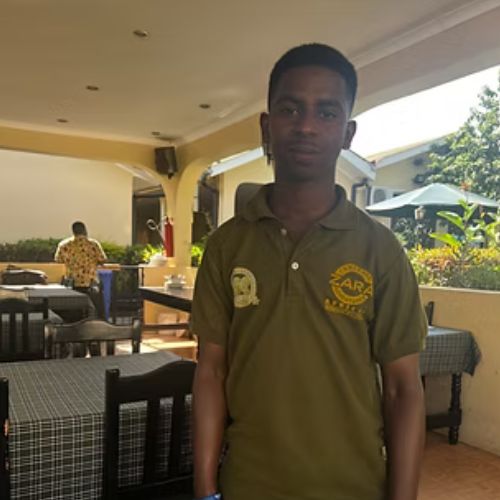
Joseph
Farm of Dreams Lodge, Karatu, Tanzania
Farm of Dreams Lodge is one of three possible lodging options while on the 2-day safari depending on group size and vacancies.
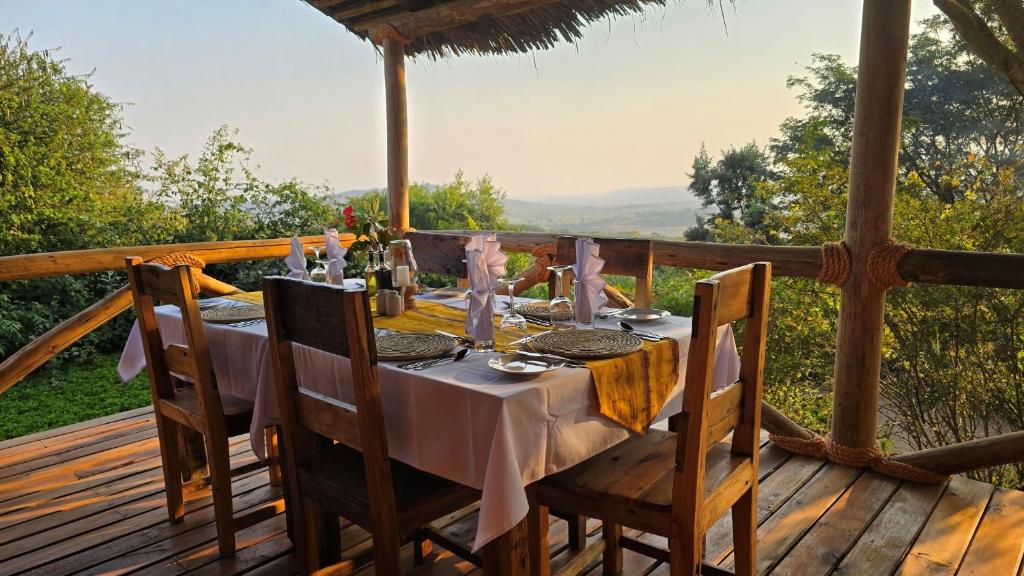
Located in the vibrant town of Karatu, the Farm of Dreams Lodge serves as a peaceful oasis during the two-day safari. Situated on the slopes of the Ngorongoro Highlands, this lodge offers sweeping views of the rolling hills and sits in the heart of the gateway to the Ngorongoro Crater.
The lodge is known for its expansive gardens filled with tropical flowers and organic vegetables. The property is designed to feel like a tranquil retreat, providing a beautiful contrast to the rugged terrain of the safari tracks.
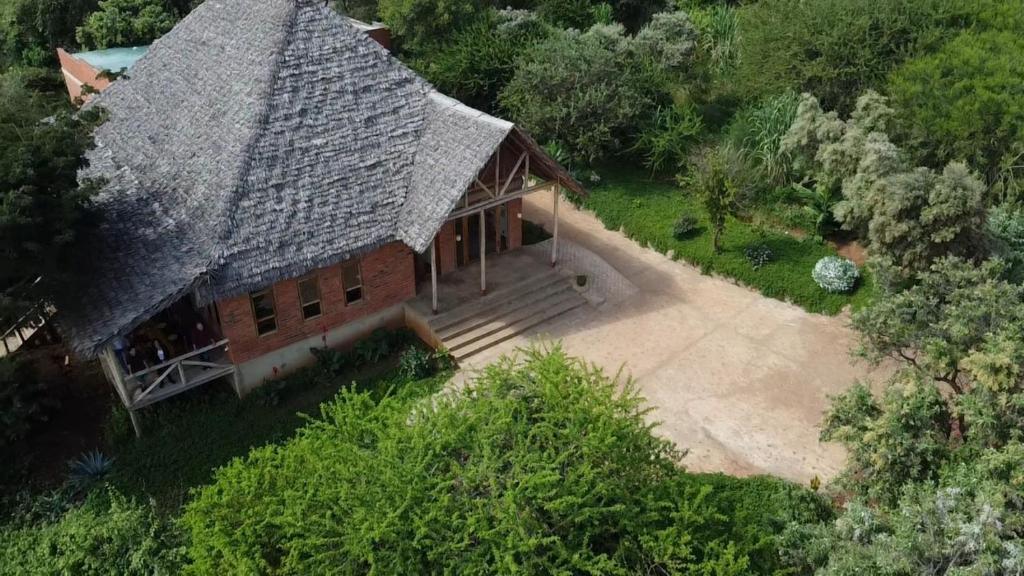
Guests stay in spacious, independent cottages featuring traditional thatched roofs. Each room opens onto a private terrace or balcony with safari chairs, perfect for enjoying the cool highland breeze.
The rooms prioritize rest, featuring premium bedding, mosquito netting, and large en-suite bathrooms with hot showers. Interconnecting rooms are available, making this a convenient choice for families traveling together.
After a day of wildlife viewing, travelers can unwind in the large outdoor swimming pool or the dedicated children’s pool. The property also features a playground and garden paths that are a favorite for younger guests.
Dining at the lodge is a highlight of the stay. The kitchen maintains its own farm, sourcing fresh herbs and seasonal vegetables directly from the property. The on-site restaurant serves a mix of international and Tanzanian dishes, often featuring buffet-style meals that cater to a variety of dietary preferences. Whether enjoying a pre-dinner drink at the African-themed bar or a meal overlooking the gardens, the setting reflects warm Tanzanian hospitality and quiet intimacy.
The Gateway to the Crater: Because the lodge is situated a short drive from the Ngorongoro Conservation Area entrance, it allows the group to be among the first to descend into the crater in the morning. This strategic location ensures more time spent with the “Big Five” and less time in transit, maximizing the safari experience.
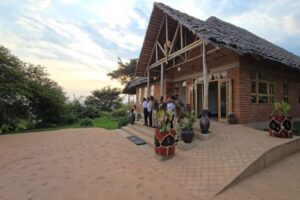 Mamadunia Safari Lodge
Mamadunia Safri Lodge is one of three possible lodging options while on the 2-day safari depending on group size and vacancies.
Nestled in the lush highlands of Karatu, Mamadunia Safari Lodge serves as an intimate and elegant gateway to Tanzania’s most iconic safari destinations, including the Ngorongoro Crater and Lake Manyara. Conceived by a French-Tanzanian duo, the lodge blends European sophistication with traditional African warmth, offering a tranquil sanctuary for travelers.
The Experience
The lodge is designed for exclusivity, hosting only 12 guests at a time to ensure a personalized and peaceful stay. Upon arrival, guests are often greeted with traditional songs and dances, setting a welcoming tone for their stay. The grounds span eight acres of verdant gardens and towering trees, creating a haven for hundreds of native bird species.
Accommodations
The lodge features exceptionally spacious, standalone cabins (approximately 75 m²) designed with an eco-conscious ethos. Each room includes:
- Private Balcony or Terrace: Offering panoramic mountain views and vistas of the surrounding countryside.
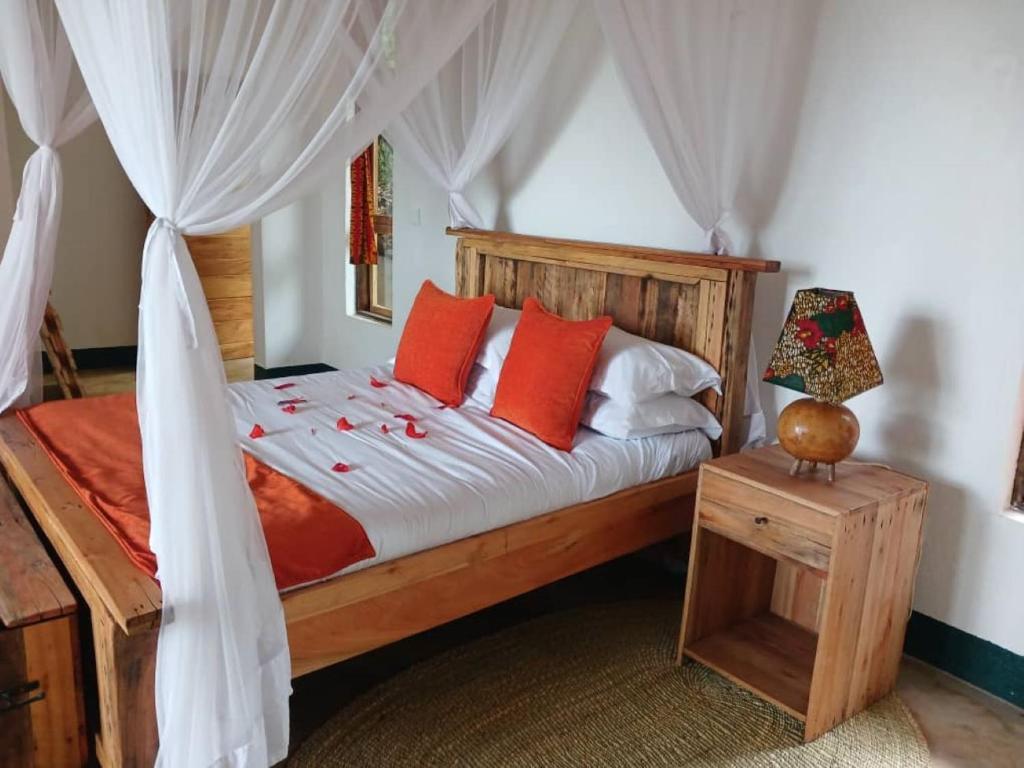
- Modern Comforts: Large beds with mosquito nets, soundproof walls, a dedicated seating area, and a work desk.
- En-suite Bathrooms: Equipped with walk-in showers, high-quality toiletries, and 24/7 hot water.
- Eco-Friendly Design: Power is sourced from a combination of solar panels, batteries, and generators to minimize the environmental footprint.
Dining and Amenities
- Infinity Pool: A highlight of the property, the pool appears to merge with the horizon, providing breathtaking views toward the Ngorongoro highlands.
- The Restaurant: Serves a fusion of African, American, and European cuisines. Meals are prepared using locally sourced ingredients, with breakfast options ranging from full English to continental buffets.
- The Bar & Terrace: Ideal for “Happy Hour” or a romantic candlelit dinner under the stars.
- Connectivity: Complimentary Wi-Fi is available throughout the property, and rooms are equipped with universal charging points.
Strategic Location
Located just five minutes from the center of Karatu and the main safari road, Mamadunia provides convenient access to Ngorongoro Crater.
Lake Manyara Wildlife Lodge
Lake Manyara Wildlife Lodge is one of three possible lodging options while on the 2-day safari depending on group size and vacancies.
Perched on the edge of the Great Rift Valley’s western escarpment, the Lake Manyara Wildlife Lodge offers one of the most iconic views in Tanzania. As one of the original lodges built in the region, it is strategically positioned to overlook the entire expanse of Lake Manyara National Park and its shimmering alkaline waters below.
The lodge is government-owned, reflecting a long-standing commitment to promoting tourism and preserving Tanzania’s natural heritage. This legacy is matched by a level of service that emphasizes the warmth of Tanzanian hospitality: One of the most appreciated touches for travelers returning from the dusty safari tracks is the immediate greeting by staff with warm, wet towels to refresh your face and hands before heading to dinner.
The experience at the lodge often extends into the evening with vibrant cultural displays. On select nights, travelers may be treated to a performance by a group of local Tanzanian acrobats. Their high-energy show, often involving impressive feats of strength and agility, provides a lively conclusion to a day in the bush.
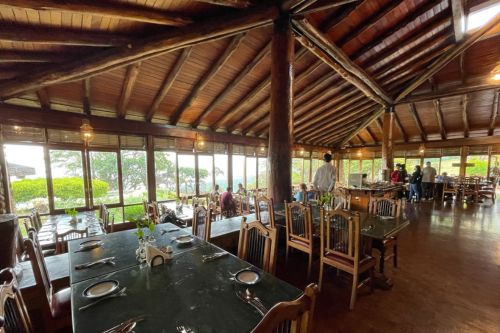
Every guestroom features a private veranda, providing a front-row seat to panoramic views of the pink-hued lake in the evenings. The lodge also features a swimming pool, many communal spaces for the group to gather comfortably, an indoor bar, and buffet-style restaurant.
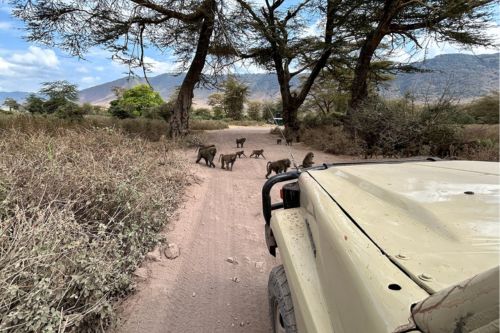
A large family of baboons lives in the immediate vicinity of the lodge, so be sure to lock your doors while you’re away.
Additional Logistics Information
When selecting the Mully Children’s Family addon, travelers stay at the Mully Children’s Family facility and are treated by residents who are learning the trade of tourism as part of their vocational studies.
When selecting the LDS Temple addon, lodging options can include the onsite lodging at the temple or a nearby hotel.
When selecting the 7-day Kilimanjaro Hike addon, the hiking group camps on the mountain. The planning tabs below give more details on packing for the 7-day hike.
When selecting the Serengeti addon to the 2-day safari, guests will have the option of camping in a tent or staying at a lodge closer to Serengeti.
When selecting the Island of Zanzibar addon, guests will stay at a lodge or hotel in Zanzibar.
If the group wishes to travel to places besides Tanzania or Kenya or have other addons besides what is listed on this page, then we can certainly help make arrangements. There are many more options provided by our travel partners: Hearts and Hands for Humanitity Eastern Africa* and African Traits.
*Hearts and Hands for Humanity and Hearts and Hands for Humanity Eastern Africa are seperate organizations. The latter is a for-profit entity created to supplement the Humanitarian Safari option for H3 donors.
Humanitarian Safari Pricing
All trips and pricing can be customized. Don’t hesitate to get in touch with us.
10-Day Humanitarian Safari
SPECIAL PRICRING FOR OCT 2026- All humanitarian scheduling and planning
- 2-Day African Safari
- All Transportation in Tanzania
- Lodging in Tanzania
- All 3 meals per day, bottled water & drinks
- Seamless logistics & local insights
- Does NOT include Airfare, Tanzania Visa Fee, Tips for Safari and Bus Drivers, Additional Tips, Souvenirs.
Mt. Kilimanjaro
1 Day Hike Addon- Includes guides, porters, food and park fees.
- Does NOT include tips for guides and porters.
Mt Kilimanjaro
7 Day Hike Addon- Includes guides, porters, food, tent and park fees.
- Does NOT include tips for guides and porters.
Custom Pricing Addons
Contact Us For Custom Pricing
Visit Mully Children’s Family
Visit the Island of Zanzibar
Visit Serengeti
LDS Temple Trips
Additional Locations Outside of Tanzania
Do you have something else in mind? Let us know.
Refer A Friend For a 5% Discount
Refer up to 4 friends for up to 20% Discount on your invidividual package.
Register for the Humanitarian Safari
Refer A Friend Form
Get a 5% discount for every friend you refer who comes on the trip. Get up to 20% off your own trip for referring up to 4 friends.
Plan Your Trip
After you register for your trip we will have mulitple video meetings to finalize your interary and go over the finer details to help prepare you for this amazing and rewarding adventure. We will be with you every step of the way with seamless logistics and local insights.
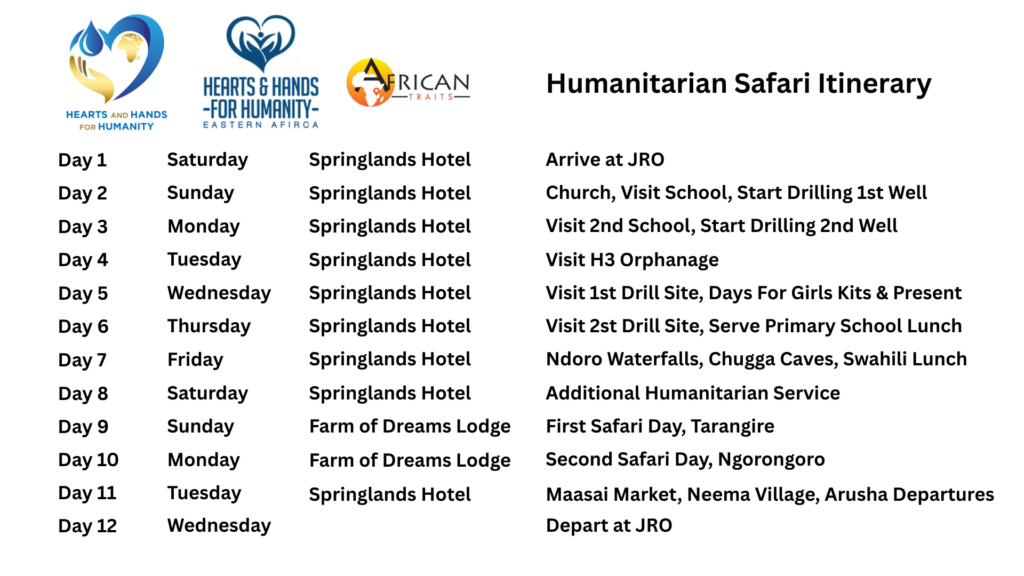
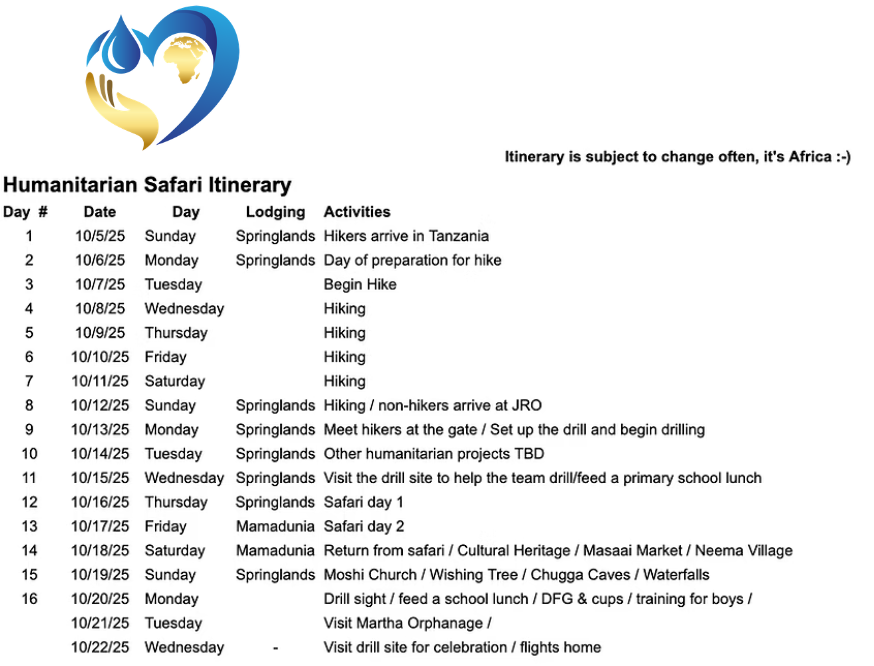
- Sample Itinerary
- Packing List
- Travel Documents
- Money
- Helpful Swahili Phrases
- WhatsApp & Zoom
- Days For Girls Training
- 7-Day Hike Info (Interary, Packing)
Keep in mind that this is Africa. You can wear the same clothes for more than one day before washing them. The hotels will do laundry (very affordably) or you may bring single packs of Tide laundry soap to wash your clothes if you wish.
Check with your airline. You may be allowed two free checked bags, up to 50 pounds each, plus a carry-on and personal item. With smart packing you'll only need one bag, but we can fill the rest with donations for the humanitarian services. After the humanitarian donations have been distributed that then leaves space for souveniers.
Items to pack:
- Passport and immunization report
- Money, best in crisp, new $100s - you may exchange money at the JRO airport for shillings for souvenirs and any extra things while in Tanzania. See also Money tab.
- 2-3 pants or shorts, lightweight, quick-dry for all weather and easy wash (100% nylon or a nylon/spandex blend, "hiking" convertible pants are suggested but not required)
- 2-3 shirts, lightweight, quick-dry, with UPF sun protection for all weather and easy wash
- 4-11 pair of underwear (depending on if you plan to do laundry)
- 4-11 pair of socks (depending on if you plan to do laundry, Merino Wool socks are suggested but not required)
- Water-resistant jacket or raincoat
- Sunglasses and Hat
- A pair of multi-use shoes (hiking, working, playing, church)
- Swimsuit for the pool at the hotel, the safari lodge, and the waterfall.
- Water shoes or strap-on water-resistant sandals for the waterfall (and some hiking down to the waterfall, water shoes or sandals are fine for this hike or you can change shoes between hiking and getting in the water if desired)
- Toiletries: toothbrush, toothpaste, shaving, travel-size shampoo, etc. Follow flight regulations for aerosols, liqids, gels, creams
- Sunscreen and sunburn spray
- Mosquito repellent or wristbands
- Medications, including medication for malaria
- Wet wipes, hand sanitizer, and a roll of toilet paper (travel size 😊)
- Tide single packs to wash clothes
- Snacks, electrolyte water mix packs
- Neck pillow for flights
- Headphones, phone, camera, any small electronics, portable chargers
- Electric CONVERTER (not an Adapater, which is different, should support 120V to 240V conversion and also acts as an adapter for type G outlets if only traveling in Tanzania, and possibly type D and E/F if traveling outside of Tanzania)
- Black trash bag, gallon zip-lock or hamper bags for dirty clothes that you don’t plan on washing
- Day bag or backpack
- Washcloths
- Binoculars for the safari
If attending church:
- White shirt and tie (men), (your choice if you bring extra slacks and nicer shoes, but most travelers wear their gray or tan hiking pants and hiking/work boots)
- Dress (women), (your choice if you bring seperate shoes, though a smart pair of sandals can be used for both water activities and church)
Filling the extra space:
- Candy for the village and school kids
- Frisbee and soccer balls for kids in the villages
- Humanitarian donations that you'd like to donate or which we provide for you to bring prior to travel if we can get it to you. (Could be school supplies, blankets, computers; there will be some group requests)
Expert tip: Manual, no-motor vacuum travel bags can help maximize use of luggage space and even keep clean clothes seperate from dirty ones.
There are places to buy things like snacks and toiletries if needed; you don't have to pack for armegeddon. You do not have to buy mosquito nets, the hotels have them. You could bring tape in case the nets have minor holes. You do not have to pack water except for the plane ride; we will provide water and drinks during the trip. You can also buy larger water bottles at the hotel. The buses have coolers to keep water and drinks cool.
Passport (with additional 6 months’ validity after proposed expedition return date)
Tanzanian Entry Visa. (If flying to Nairobi and taking the bus to Arusha, Kenyan visas can be bought on arrival at Nairobi airport.)
Air Travel Documents
Credit Card (recommended for eventualities only)
Travel Insurance Documents
Vaccination Certificates (Yellow Fever, if visiting a ‘risk zone’ prior to entering Tanzania)
Traveller’s Cheques are not recommend as they are subject to very poor conversion rates in Moshi or Arusha.
Planning the trip
Plan for the following trip expenses beyond the package pricing:
- Airfaire is estimated to be $1,500 to $1,800 per person, less if you're able to scout for deals or use flyer miles
- Any new gear for the trip
- Passport fees and vaccinations
- Tanzania Visa, $100 per person
- Tipping service staff at hotels and lodges
- Tipping the guide for Ndoro Waterfalls hike
- Tipping the guides and porters at Mt Kilimanjaro for either the 1-Day or 7-Day Hike
- Tipping your Safari Driver
- Tipping group bus drivers
- Any souvenirs purchased during the trip.
- Kenya Visa or other Visas
While on the trip:
The Humanitarian Safari includes all food and lodging. However, you will want to bring cash for flight layovers, Visas, snacks, souvenirs, emergencies, and tips.
Only a few places will take your debit or credit cards. We recommend you bring cash for everything you expect to spend money on. You can withdraw up to about $175 daily from an ATM in emergencies.
Get the best conversion rate by bringing new, crisp $100 bills. Please make sure they are newer than 2009. Lower denominations of $1, $5, $10 and $20 can be used for tips, but tips can also be in local currency.
Money conversion rates will vary, but typically, you can expect to get around 2,600 Tanzanian Shillings for $1 USD. That means for every $100 you exchange, you will receive TSH 260,000. The best place to exchange money is at the airport. We can make other opporutunities to exchange money if needed.
Tanzania Visa—You will acquire your visa at the airport as you pass through customs. The cost is $100 per person when you tell them you are in the country for a safari.
All tips are NOT included with the Humanitarian Safari package. You'll need tips for your safari drivers, group bus drivers, hiking guides, hotel service professionals and possibly others. We will discuss suggested amounts for tips during planning meetings.
If you want to consume alcoholic beverages, you will need to purchase them on your own, as they are not included in the trip's cost.
Swahili pronounces every vowel and even pronounces some consonants as if they had vowels but without vowels between them.
For example:
- Asante is pronounced ah-san-tay
- Ngorongoro is pronouned en-gor-on-gor-oh (the "r"s are slightly rolled, but not as much as Spanish)
- Ndoro is pronounced en-dor-oh
- Tarangire is pronounced tah-ran-gee-ray (with the "r" slightly rolled)
Keep that in mind as you learn this list:
Asante - Thank you
Asante sana - Thank you very much
Hakuna matata - No worries (yep, the phrase from The Lion King is a real thing, and they say it often)
Tafadhali - Please
Hujambo - How are you? or Hello
Sijambo - Doing good or doing fine.
Jambo - The way tourists say Hujambo.
Mambo - What's up?
Poa (Pronounced Po-ah) - Cool or "its all good". Common reply to Mambo
Shikamoo - I respect you (Essential, formal expression for elders and those in authority)
Marahaba - I accept your respect
Karibu - Welcome, "come in" or "you're welcome".
Bei gani? - What is the price? (though if you're going to haggle, do it in English)
Hapana (ha-pah-na) - No
Hapana, sante - No, thank you
Choo kiko wapi? - Where is the bathroom
Wapi choo? - Where is the bathroom (less formal)
Nakupenda - I love you (can be interpreted in a romantic way, so be careful)
Nakupenda pia - I love you too
Kaka - Brother (not a toilet joke, even if you know Spanish)
Dada - Sister (confusing, right?)
Nakupenda kaka yangu - I love you my brother
Nakupenda dada yangu - I love you my sister
Nawapenda - I love you all
Napenda Tanzania - I like/love Tanzania
Napenda chakula hiki - I like/love this food
Rafiki yangu - my friend
We use WhatsApp for group communication because it's something easy that everyone in the group can adopt, it's secure with encryption, and it works well for international communications. This means that we can use it even while we're in Africa and our African teams can also join the group communication.
Download WhatsApp:
- Android: Google Play Store
- Iphone: Apple App Store
- Desktop App: Whatsapp For Windows
- Desktop App: Whatsapp for Mac
- Browser (Online): Whatsapp Web App
Group video meetings are conducted and recorded using Zoom. The recordings are posted on your group planning page.
Travelers who are planning to give the presentation when we distribute Days For Girls Kits and reusable mentrual cups can take the training provided by Days For Girls prior to travel.
7-Day Hike Description:
DAY 1 Forest Camp to Shira Camp 1. We continue on the trail leading out of the forest and into a savannah of tall grasses, heather, and volcanic rock draped with lichen beards. As we ascend through the lush rolling hills and cross several streams, we reach the Shira Ridge before dropping gently down to Shira 1 camp. The view of Kibo from across the plateau is amazing.
DAY 2 Shira Camp 1 to Shira 2 to Moir Hut. We explore the Shira plateau for a full day. It is a gentle walk east toward Kibo's glaciered peak, across the plateau which leads to Shira 2 camp on moorland meadows by a stream. Then we continue to Moir Hut, a little used site on the base of Lent Hills. A variety of walks are available on Lent Hills making this an excellent acclimatization opportunity. Shira is one of the highest plateaus on earth.
DAY 3 Moir Hut to Lava Tower to Barranco Camp. From the Shira Plateau, we continue to the east up a ridge, passing the junction towards the peak of Kibo. As we continue, our direction changes to the South East towards the Lava Tower, called the "Shark's Tooth." Shortly after the tower, we come to the second junction which brings us up to the Arrow Glacier at an altitude of 16,000ft. We now continue down to the Barranco Hut at an altitude of 13,000ft. Here we rest, enjoy dinner, and overnight. Although you end the day at the same elevation as when you started, this day is very important for acclimatization and will help your body prepare for summit day.
DAY 4 Barranco Camp to Karanga. After breakfast, we leave Barranco and continue on a steep ridge pass-ing the Barranco Wall, to the Karanga Valley campsite. This is a short day meant for acclimatization.
DAY 5 Karanga Camp to Barafu Camp. After breakfast, we leave Karanga and hit the junction which connects with the Mweka Trail. We continue up to the Barafu Hut. At this point, you have completed the South Circuit, which offers views of the summit from many different angles. Here we make camp, rest, enjoy dinner, and prepare for the summit day. The two peaks of Mawenzi and Kibo are to be seen from this position.
DAY 6 Barafu Camp to Summit to Mweka Hut. Very early in the morning (midnight to 2am), we continue our way to the summit between the Rebmann and Ratzel glaciers. You head in a northwesterly direction and ascend through heavy scree towards Stella Point on the crater rim. This is the most mentally and physically challenging portion of the trek. At Stella Point (18,600 ft), you will stop for a short rest and will be rewarded with the most magnificent sunrise you are ever likely to see (weather permitting). From Stella Point, you may encounter snow all they way on your 1-hour ascent to the summit. At Uhuru Peak, you have reached the highest point on Mount Kilimanjaro and the continent of Africa. Faster hikers will see the sunrise from the summit. From the summit, we now make our descent continuing straight down to the Mweka Hut camp site, stopping at Barafu for lunch. You will want gaiters and trekking poles for the loose gravel going down. Mweka Camp is situated in the upper forest and mist or rain can be expected in the late afternoon. Later in the evening, we enjoy our last dinner on the mountain and a well-earned sleep.
DAY 7 Mweka Camp to Moshi. After breakfast, we continue the descent down to the Mweka Park Gate to receive your summit certificates. At lower elevations, it can be wet and muddy. Gaiters and trekking poles will help. Shorts and t-shirts will probably be plenty to wear (keep rain gear and warmer clothing handy). A vehicle will meet you at Mweka village to drive you back to Moshi.
7-Day Hike Packing List
BAGGAGE AND SLEEPING KIT FOR CLIMBING KILIMANJARO:
- Large Rucksack or Holdall, 70-90 litres capacity (for kit carried by porter)
- Daysack, 25-35 litres (for personal use on mountain; ready-access items)
- Sleeping Bag (minus 10 degrees Centigrade rating or colder).
- Waterproof rucksack liner or heavy duty plastic sack
- Elasticated waterproof rucksack cover
NOTE: Sleeping mattresses are not required as we provide these for you. We can also provide the sleeping bag if desired.
CLOTHING FOR CLIMBING KILIMANJARO:
- Sweat-wicking T-shirts / vests
- Fleece.
- Insulated down jacket or similar.
- Down mittens or similar.
- Thermal long-johns for summit night.
- Lightweight walking trousers (avoid jeans or heavy cotton as they chafe and dry slowly)
- Underwear (briefs are usually better than boxer shorts which gather and chafe)
- Very good quality hiking socks and thin-liner socks. (We advise that socks should be at least a size too small otherwise they stretch and bunch causing blisters)
- Breathable lightweight waterproofs (jacket and trousers).
- Waterproof walking boots, sturdy and worn-in. A Gore-Tex membrane or similar is advised. While Alpine or C3 boots are not required for Kilimanjaro it is important that your boots have good ankle and arch support and good deep read patterns.
- Calf gaiters
- Balaclava
- Walking Poles
- Goretex Mountain Cap or Woollen Hat
- Wide brimmed sun hat to protect face, ears and neck
HYGIENE-RELATED GEAR FOR USE ON KILIMANJARO:
- Toothbrush, toothpaste & deodorant
- Flat packed Wet Ones, travel wipes, or similar for personal hygiene on the mountain.
- Kleenex tissues in plastic travel pouches or toilet paper
- Hairbrush / comb
- Sanitary products
- Lip salve with UV protection
- Vaseline, to prevent chafing skin and heel friction blisters
HEALTH-RELATED ITEMS FOR KILIMANJARO:
- Malaria Tablets (if you choose to take these. Most will seek advice from their GP. Note that some anti-malarial courses need to commence several weeks before departure)
- Factor 30+ sun cream
- Sun barrier cream white / blue for nose and ears
PERSONAL SMALL FIRST AID KIT TO BE CARRIED BY EACH CLIMBER ON KILIMANJARO:
- Pain Killers (Ibuprofen)
- Diamox (Acetazolamide) if you choose to use this.
- Paracetamol
- Zinc oxide tape and small scissors.
- Compeed Blister Pads
- Loperamide Diahorrea Tablets
- Any medication you normally use
- Dioralyte sachets or similar rehydration packs.
NOTE: Your guide will carry a more comprehensive medical kit containing additional Acetazolamide, Ibuprofen, Anti-inflammatory gel, bandages, Loperamide, Amoxycilin, Oral Dexamethasone, and several other items.
Where a climber has specific health concerns that they or their doctor anticipate being exacerbated by exposure to high altitude, or if he has a history of heart disease in the family, we would advise that he requests that we carry an additional canister of emergency oxygen.
OPTIONAL BUT RECOMMENDED:
- Mountain Fuel (inter-meal energy supplements and recovery drinks)
- Camera and film or Digital Camera and spare memory cards
- Sunglasses with UV-filter lenses
- Gaiters
- High energy snacks (Cereal bars, dried fruit and nuts)
- Spare Contact Lenses and fluid, if worn
- Watch
- Head torch with spare batteries and bulb for summit night & tent admin
- Water bottles & Camelbak (3 litres carrying capacity)
OPTIONAL BUT RECOMMENDED:
- Nuun hydration aids (portable electrolyte replacement tablets)
- Water Purification Tablets / Iodine drops although we have them
- Ear Plugs and blindfold (to aid sleep on afternoon before summit night)
- Plastic bags (for dirty washing, wrappings, etc.)
- Telescopic walking poles (optional)
- Mobile phone. There is signal reception on most parts of the mountain. It is a good idea to unlock your phone before you come out so that a local sim card can be used.
OPTIONAL BUT RECOMMENDED:
A good, strong, thermally efficient blizzard survival bag. We strongly recommend that all climbers possess one of these, especially when training alone or in small groups while preparing for Kilimanjaro. On Kilimanjaro, perhaps 10 – 15% of climbers complain to their guides of being cold in their sleeping bags, despite using a bag that is rated for minus 20 degrees C or lower. This is because the body generates less heat when there is relatively little oxygen available. Having one of these bags will reflect much of that precious heat back to where it’s needed.
Note: We do have rental store in Moshi with all the gear needed for Kilimanjaro hiking. If there is gear that you don’t have and you may want to rent there before going to the mountain then send Alan a list!
Oct 2026 Group Trip
With special guest: Adassa. Trip page here.
What Are You Waiting For?
Register Today and experience the trip of a lifetime!